
Walk through any outdoor store and you’ll see a wall of fishing shirts. All of them say “polyester.” All of them say “UPF50+.” All of them say “moisture wicking.”
So why does one cost $35 and another cost $85?
The answer isn’t branding. It’s usually hiding in the specs that most labels don’t print: fabric weight, stretch percentage, and whether the UPF protection is built into the fiber or sprayed on after the fact. After 18 years of manufacturing performance fishing shirts, we’ve learned that these three numbers predict how a shirt will perform more reliably than its price tag.
1. “100% Polyester” Doesn’t Mean One Specific Thing
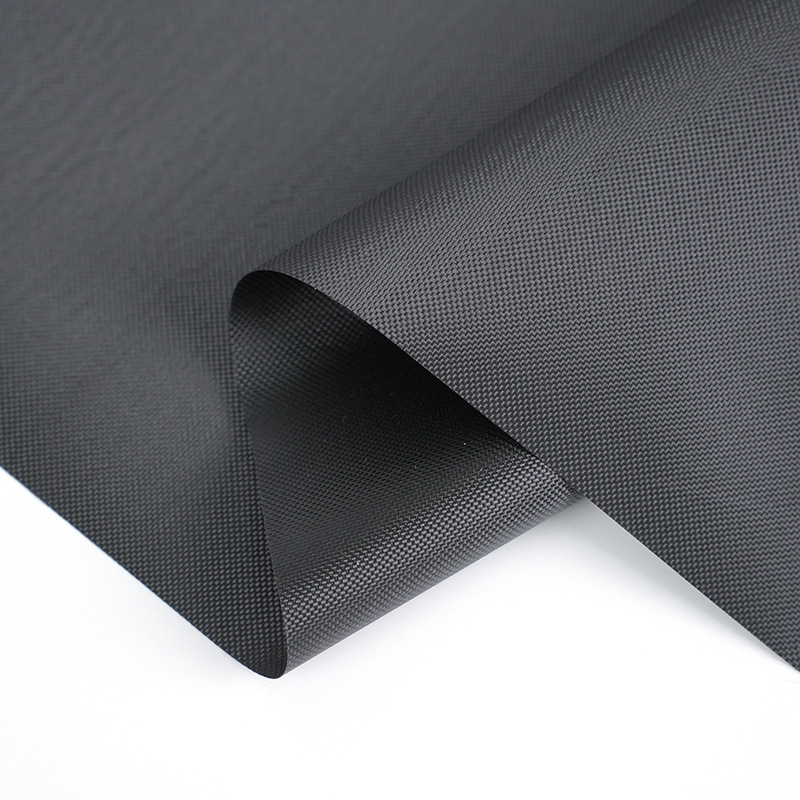
Polyester is the default fabric for fishing shirts, and for good reason — it can contribute to UV protection when the fabric construction, color, and finishing are suitable, it’s hydrophobic (water slides off instead of soaking in), and it holds sublimation dye better than any other fiber. But within “polyester,” there’s a huge range.
The number that matters most: GSM, or grams per square meter. It’s fabric weight, and it changes everything.
| GSM | What it feels like | What it's good for |
|---|---|---|
| 120–140 | Almost translucent. Breezy but fragile. | Desert heat, ultralight packing. may need a denser construction or specific finishing to meet a UPF target. |
| 140–160 | Light. Breathable. The most common weight on the market. | Summer bass fishing, casual wear. Can achieve UPF50+ with a tight weave. |
| 160–180 | Noticeably more substantial. Still comfortable at 30°C. | All-around fishing. A practical balance of comfort and durability; confirm the final UPF and wash performance through testing. |
| 180–220 | Heavy. Feels like a light jacket more than a shirt. | Spring/fall, saltwater, layering piece. Too warm for summer in most climates. |
A 140gsm shirt and an 180gsm shirt can both say “100% polyester” and “UPF50+” on the tag. They will not feel like the same product. The lighter one will be cooler. The heavier one will last longer and block UV more reliably as it ages.
If you’re buying one shirt for all-purpose use, aim for 160–170gsm. It’s the compromise that most anglers end up happiest with.
2. Polyester vs Nylon
Nylon accounts for maybe 15% of fishing shirts. It’s concentrated almost entirely in the woven button-up category — the kind of shirt a fly fishing guide or a resort guest wears.
| Polyester | Nylon | |
|---|---|---|
| UV protection | Inherent — the molecule itself absorbs UV-B | UPF performance depends on construction, color, and any finish; confirm the target with a test report |
| Durability | Good | Excellent — more abrasion-resistant |
| Feel | Smooth, slightly synthetic | Softer, more "cotton-like" |
| Color retention | Excellent — sublimation dyes bond permanently | Good but may fade faster under prolonged sun exposure; test the actual fabric and dye system |
| Breathability | Depends on weave | Naturally more breathable at same weight |
| Cost | Lower | Higher — typically $1–2 more per yard of fabric |
The choice isn’t which one is “better.” It’s where you fish and what you’re doing. Polyester for tournament bass, saltwater trolling, anywhere you’re in direct sun for hours and want the UV protection built into the fiber. Nylon for fly fishing, guided trips, or if you want a shirt that looks like normal clothing off the water.
3. The Stretch Question
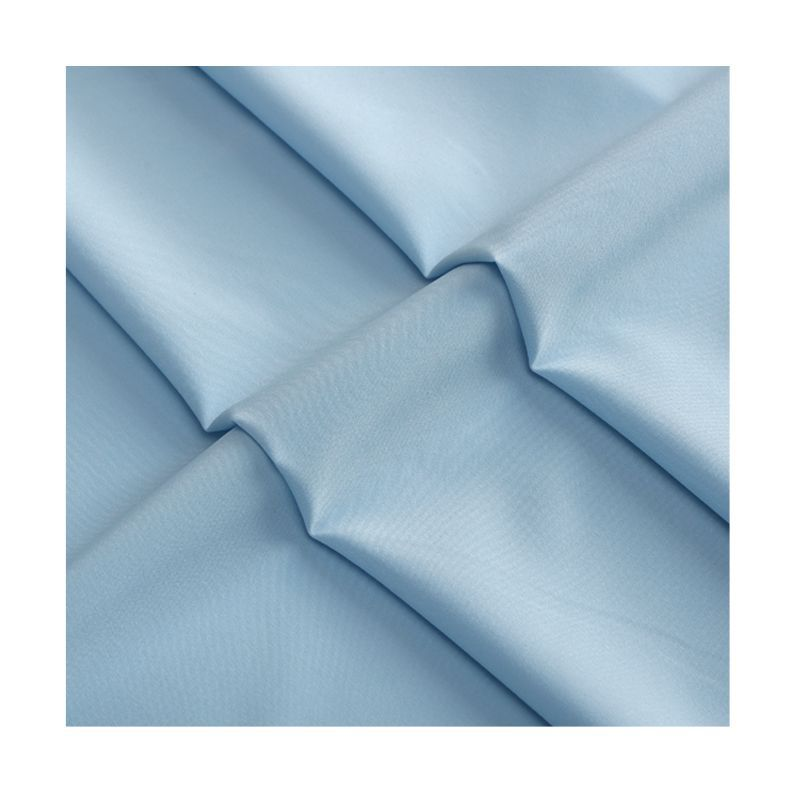
Most fishing shirts have spandex in them — usually 5–12%. The percentage matters.
| Spandex % | What you get | What you trade |
|---|---|---|
| 0–5% | Better durability, no heat sensitivity | Minimal stretch. Fine for woven button-ups. |
| 8–10% | 4-way stretch, full casting motion | The sweet spot. Comfortable without sacrificing much lifespan. |
| 12–15% | Maximum mobility, yoga-pants flexibility | Spandex degrades faster than polyester. After 40–50 wash cycles, the shirt won't recover its shape as well. |
For a tournament jersey where you’re casting all day, 10% spandex is worth it. For a casual fishing shirt you wear twice a month, you’ll barely notice the difference between 5% and 10%, and the lower-spandex version will age better.
4. UPF: The Part That Actually Matters
UPF performance can come from fabric construction, color, finishing, or a combination. The finished fabric or garment should be tested against the standard used for the target market.
Inherent UPF comes mainly from the fabric construction and fiber properties. It may be more durable, but performance still needs to be checked after care and wear testing.
Chemical UPF may include a finish applied after the fabric is formed. Performance can change with care and use, so do not publish a wash-life claim without test data.
A visual check can help compare opacity, but it is not a UPF test. Ask for a report for the actual fabric or finished garment before making a UPF claim.
5. Worth the Extra Budget?
For recycled claims, review the Textile Exchange recycled standards. For treated insect-repellent clothing sold in the United States, review the EPA requirements before using product claims.
The fishing apparel industry loves a new technology. Here’s what’s actually worth paying more for in 2026.
GRS-certified recycled polyester. Performance can be comparable to virgin polyester when the fiber specifications and processing are equivalent. Confirm the certification and chain-of-custody documents before making a recycled-content claim. If your customer shops at REI or Patagonia, it’s worth it — it can support a stronger sustainability story when the documentation matches the product claim. If you’re selling on price, skip it for now.
Insect-repellent treatment (permethrin). Factory-applied permethrin may be relevant for some freshwater programs, but labeling, registration, target pests, and wash claims depend on the target market. Confirm the applicable rules before marketing it. It adds $2–4 per shirt. Worth it if your core customer fishes freshwater in the summer. Less relevant for saltwater.
Cooling yarns. Jade powder, xylitol, or phase-change materials embedded in the yarn. They produce a real cooling sensation — 2–3°C perceived difference — but it’s subtle. Adds $1.50–3.50 per shirt. Worth it if you’re positioned above $65 retail and you fish in Texas or Florida. For a first run under 200 units, test demand before committing.
Built-in face masks and hoods. These add $0.80–1.50 to manufacturing cost. For saltwater and offshore, may fit a saltwater or offshore program, depending on the customer and conditions. For freshwater bass, most anglers won’t use it, and it adds bulk they don’t want.
The Short Version
If you’ll forget everything else: look for 160–170gsm polyester with 10% spandex and inherent UPF50+ (test it with the light trick). That combination is a practical starting point for many lightweight fishing programs. It won’t be the absolute lightest shirt or the absolute toughest — it’ll be the one you actually reach for.
Last updated: July 8, 2026 | Victor, Founder of EZ Fishing Wear | Dongguan, China
Fabric specifications and recommendations are based on our manufacturing experience. Individual product performance depends on construction, care, and usage conditions.