If you are comparing UPF30 and UPF50+ fishing shirts, the simple answer is this: UPF30 allows about 3.3% of ultraviolet radiation through the fabric, while UPF50+ allows 2% or less. Both are meaningful sun-protection ratings, but UPF50+ gives a larger margin for long periods of open-water exposure.
For a fishing apparel brand, the more important question is not only which number appears on the hang tag. It is whether the actual fabric, color, print condition, and garment construction have been tested for the claim you plan to make.
UPF30 vs UPF50+: the practical difference
| Rating | Approximate UV transmitted | Approximate UV blocked | Best fit for a custom program |
|---|---|---|---|
| UPF30 | 3.3% | 96.7% | A baseline for moderate exposure and value-led collections, subject to the target market and finished-product test results. |
| UPF50+ | 2% or less | 98% or more | A stronger specification for long-sleeve fishing shirts, open-water use, saltwater collections, guides, and premium sun-protection positioning. |
The percentage difference may look small, but UPF50+ permits about 40% less UV transmission than UPF30. That is why a higher rating is often selected for performance fishing shirts intended for prolonged outdoor exposure. It does not replace hats, sunglasses, shade, or sunscreen on exposed skin.
The Australian and New Zealand sun-protective clothing standard classifies UPF30 as “good” protection and UPF50/50+ as “excellent” protection. It also makes an important point for product teams: a garment protects only the area it covers, and protection may be reduced by wetness, stretch, normal wear, or chemicals. See the ARPANSA guidance on AS/NZS 4399:2020 before finalizing market-facing UPF claims.
What a real UPF fabric report should show
UPF is not a generic marketing label. It is calculated from ultraviolet radiation transmitted through a textile sample. The AATCC TM183 method covers measuring UV radiation transmitted or blocked by fabrics, including dry and wet specimens.
For a custom fishing shirt, request a report that identifies:
- The fabric composition, construction, color, and weight
- The test method and report date
- Whether the sample was evaluated dry, wet, after washing, stretched, printed, or under another stated condition
- The reported UPF rating and UV-A / UV-B transmission or blocking values
- Whether the report applies to the finished garment or only a fabric sample
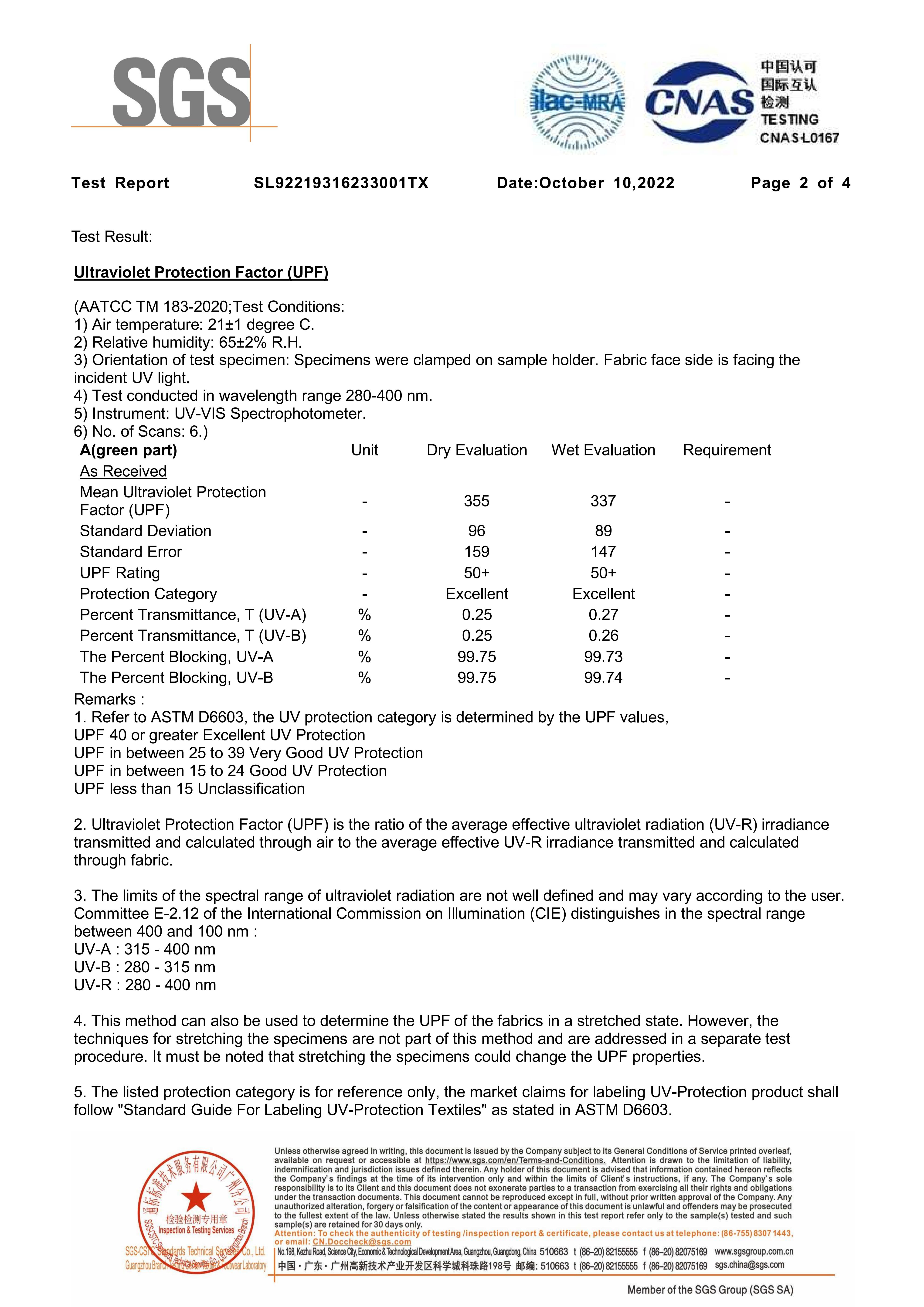
What this report supports: the shown report records mean UPF values of 355 dry and 337 wet for the tested sample, with a UPF 50+ rating in both conditions. It supports a claim about that tested sample and stated test conditions. It does not automatically certify every color, print treatment, stretch construction, or finished garment made from a different specification.
Why fabric selection changes the result
Fiber name alone is not enough. Polyester, nylon, and stretch blends can all be used for custom fishing shirts, but final UV performance can change with construction density, color, fabric weight, moisture state, stretch, and applied finishes.
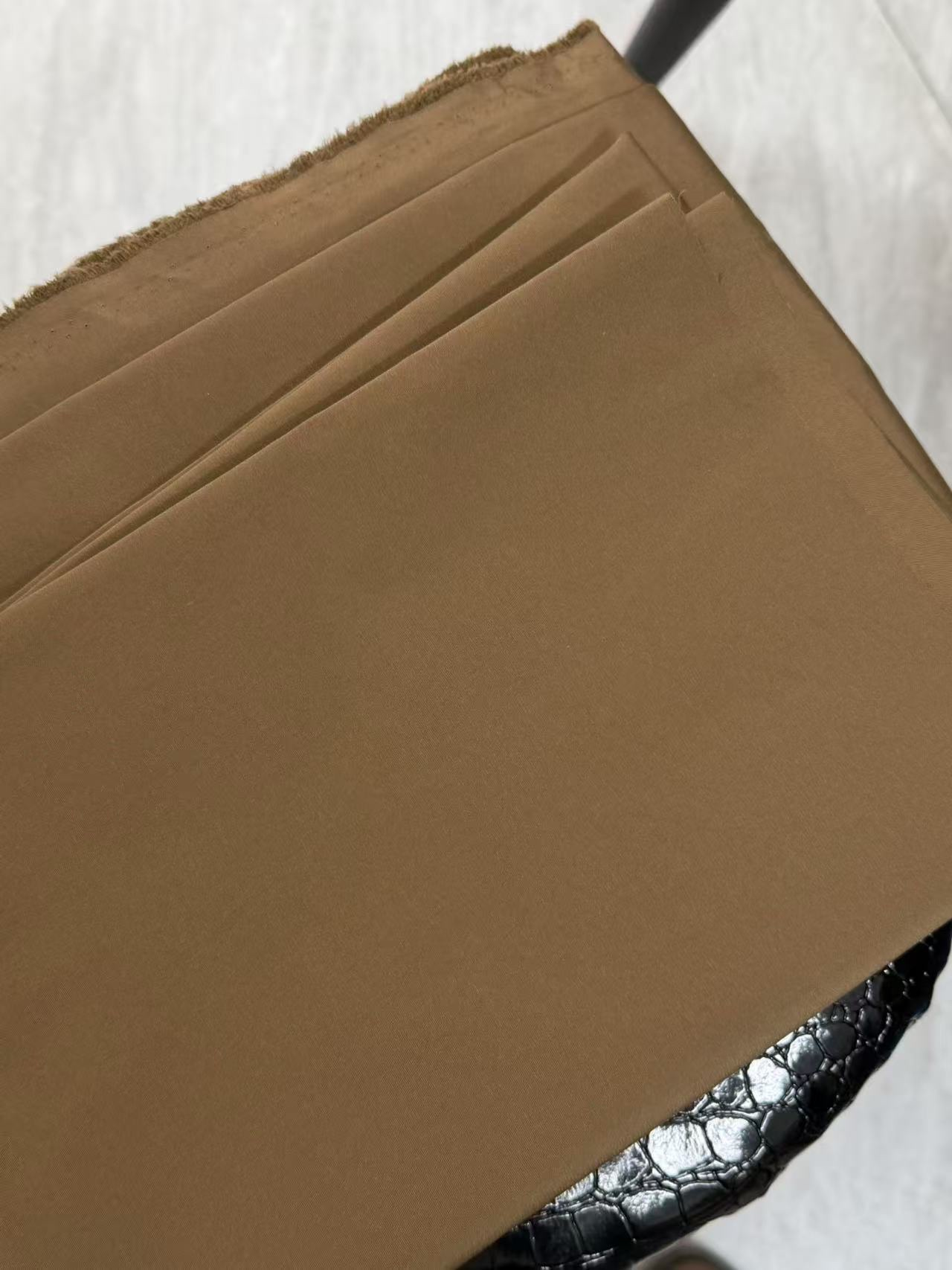
For example, a lightweight moisture-wicking fishing shirt may need a different construction from a structured button-up fishing shirt. A hooded style adds more coverage, while a full-coverage graphic or a stretch panel can require its own test review. The safest specification is not “use UPF50+ fabric”. It is “test the agreed fabric and finished construction for the intended claim.”
When should a brand specify UPF50+?
UPF50+ is generally the clearer commercial choice when the collection is built around long exposure, including:
- Long sleeve fishing shirts for open-water, offshore, guide, or charter programs
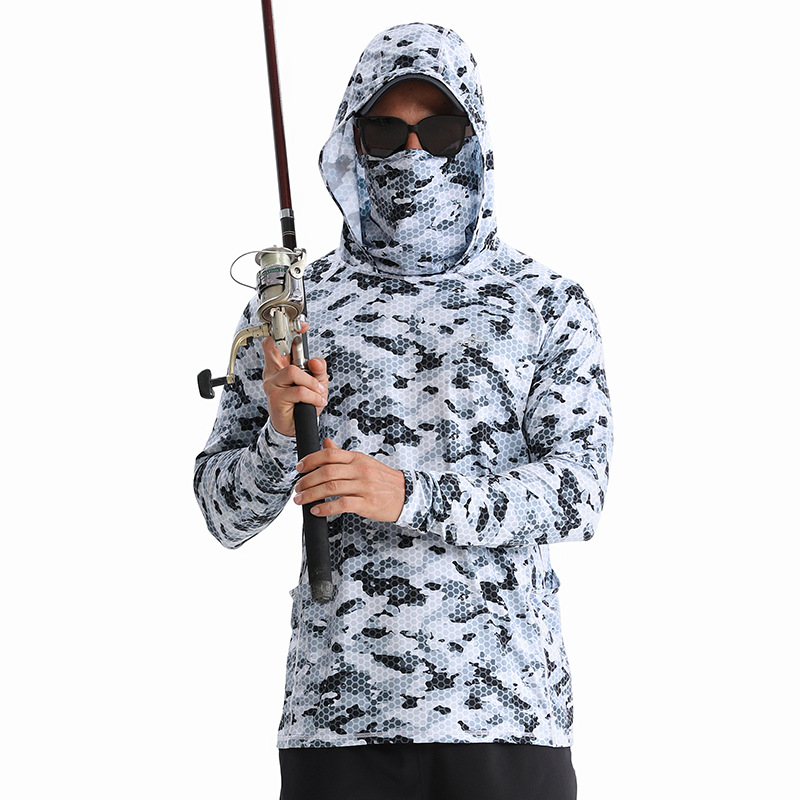
- Hooded fishing shirts with face-cover or neck-coverage options
- Saltwater fishing apparel, tournament team wear, and premium outdoor collections
- Products sold with a specific UV-protection claim supported by applicable testing
UPF30 can still be a useful specification where the target market, coverage, fabric feel, and price structure support it. The decision should be made alongside garment coverage and testing evidence, not by a retail price threshold alone.
Five questions to ask before approving production
- Which exact fabric is being tested? Confirm composition, GSM, construction, color, and finish.
- Does the report include dry and wet evaluation? If the garment is designed for humid, coastal, or boating use, this is especially relevant.
- Will the final print or sublimation change the tested construction? If so, agree whether a further test is needed.
- Is the claim for fabric only or the finished garment? Coverage, panels, and mesh areas affect how the customer experiences protection.
- What wording will appear on the label and product page? Keep the marketing claim aligned with the report and target-market requirements.
For a broader fabric comparison, see our guide to choosing fabrics for custom fishing shirts. If you are developing a new sun-protection range, review our custom fishing shirt options and fishing hoodie options before locking the specification.
FAQ
Is UPF50+ always better than UPF30?
For UV transmission, UPF50+ provides a larger protection margin. The right program decision also depends on garment coverage, comfort, fabric construction, customer use, and whether the final claim is supported by the correct report.
Can a custom printed fishing shirt claim UPF50+?
It can only be marketed that way when the agreed material and applicable finished construction support the claim. Confirm whether the print method, colorway, stretch zones, or mesh panels require additional testing.
Does a UPF fabric report prove every future order has the same rating?
No. A report documents the tested sample and stated conditions. Reorders should maintain the approved construction, color, finish, and supplier controls. Test again when a material or construction change could affect performance.
Is UPF the same as SPF?
No. UPF describes how fabric blocks ultraviolet radiation; SPF is used for sunscreen products. A fishing shirt is one part of a full sun-protection routine.
Plan the claim before sampling
If your brand needs moisture-wicking, UV protection fishing shirts or a UPF50+ fishing hoodie program, send us the intended market, use case, coverage direction, and target quantity. We can help align the fabric, construction, logo method, and testing discussion before bulk production.