Choosing between a direct factory and a trading company for fishing apparel is not simply a question of price. The decision changes who controls fabric approval, sample revisions, production updates, quality control, and corrective action when something goes wrong.
A direct factory can shorten the communication chain and give the buyer closer access to production. A trading company can add value when an order covers several product categories, requires shipment consolidation, or needs a dedicated sourcing coordinator. The right model depends on what you are buying and which responsibilities your team can manage.
Quick answer: Choose a direct factory when you have a focused fishing apparel program and need close control of fabric, fit, printing, and repeat production. Choose a trading company when the value of multi-category sourcing, consolidation, or project management is greater than the benefit of direct production access. In either case, compare itemized quotations and verify who is responsible for every approval.
Factory vs Trading Company for Fishing Apparel: What Changes
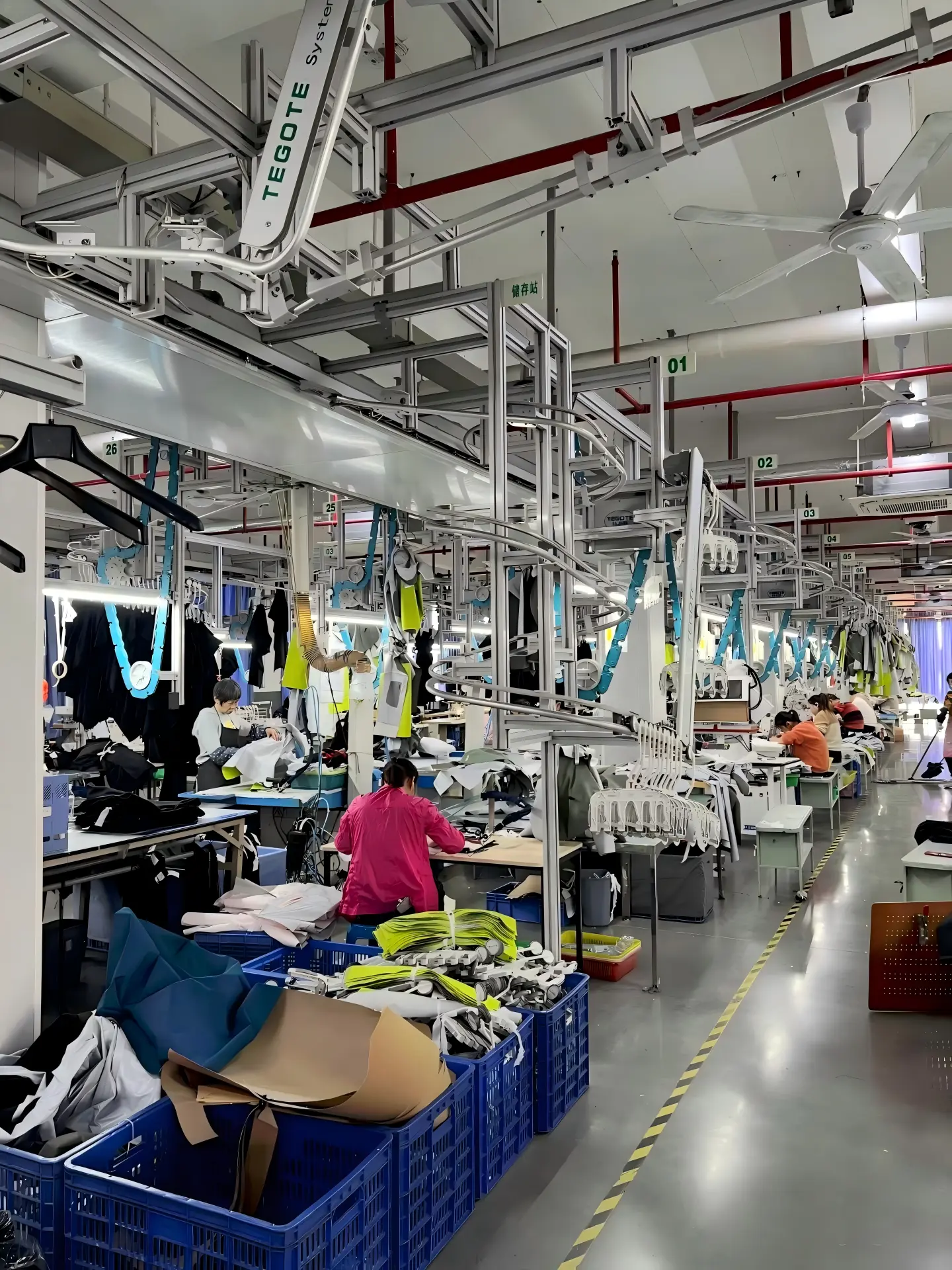
A fishing apparel factory carries out the primary manufacturing work in a production facility it owns or directly operates. Its team coordinates fabric, pattern development, cutting, sewing, finishing, and internal quality control (QC). Some specialist processes, such as fabric knitting, dyeing, sublimation paper printing, or laboratory testing, may still be completed by approved partners. A transparent factory should tell you which steps are in-house and which are outsourced.
A trading company contracts one or more factories and manages the relationship on the buyer’s behalf. The trader may handle product sourcing, translation, sampling, inspection, consolidation, payment terms, and export documentation. These services can be useful. The risk appears when the supplier presents itself as a factory but will not disclose where or how the products are made.
| Decision Area | Direct Factory | Trading Company |
|---|---|---|
| Production control | Direct access to the team managing the manufacturing process | Production is managed through one or more contracted factories |
| Product development | Pattern, sample, and construction feedback can move directly to production | The trader coordinates feedback between the buyer and factory |
| Category range | Usually strongest within a defined apparel category and construction type | Can source different categories through a wider supplier network |
| MOQ | Driven by fabric, color, print method, trims, and production setup | May use several factories or consolidated orders to create more options |
| Quality control | Internal QC with optional buyer or third-party inspection | Factory QC plus trader, buyer, or third-party inspection, depending on the agreement |
| Logistics | Best suited to shipments from one primary production source | Can consolidate goods from several suppliers into one shipment |
| Cost transparency | Production quote plus any declared development, testing, or outsourced services | Factory cost plus the trader's sourcing, coordination, inspection, or consolidation services |
The company type does not guarantee a good result. The practical difference is how many parties sit between the buyer and the production decision.
Where the Total Cost Difference Comes From
There is no reliable universal percentage that every trading company adds to a fishing apparel order. The service fee depends on the product, order complexity, number of factories, inspection scope, payment terms, and logistics work. A fixed percentage without those details gives the buyer a false sense of precision.
Compare suppliers using the same specification and the same commercial terms. An itemized fishing apparel quotation should identify:
- Fabric composition, weight, construction, color, finish, and performance requirements
- Pattern development, size-set samples, print strike-offs, and pre-production samples
- Sublimation, screen printing, embroidery, labels, trims, and packaging
- Laboratory testing, inline inspection, final inspection, and third-party inspection
- Tooling, molds, special sewing attachments, or other one-time development costs
- Freight basis and Incoterm, including what is excluded from the quoted price
- Payment schedule, remake responsibility, and the treatment of rejected goods
One supplier may appear cheaper because testing, packaging, inspection, or sample revisions are missing from the quote. Another may include those services in the unit price. Until the scope matches, the two numbers are not comparable.
This is why a buyer should ask for a cost breakdown instead of trying to identify a universal “factory price” or “trading-company markup.” The missing line items often matter more than the headline unit price.
When Factory-Direct Is the Better Fit
Factory-direct sourcing usually fits a focused program in which the buyer is developing fishing shirts, fishing hoodies, polos, pants, or another category that matches the factory’s established equipment and experience. It becomes more useful when the buyer expects repeat orders and wants consistent fabric, color, measurements, and construction from one production run to the next.
Direct communication is especially valuable for technical products. A buyer may need to approve fabric hand feel, grams per square meter (GSM), moisture management, ultraviolet protection factor (UPF), sublimation color, seam construction, ventilation panels, pocket placement, or a custom size specification. Each approval affects the finished garment, so the production team should receive the decision without interpretation being lost between several parties.
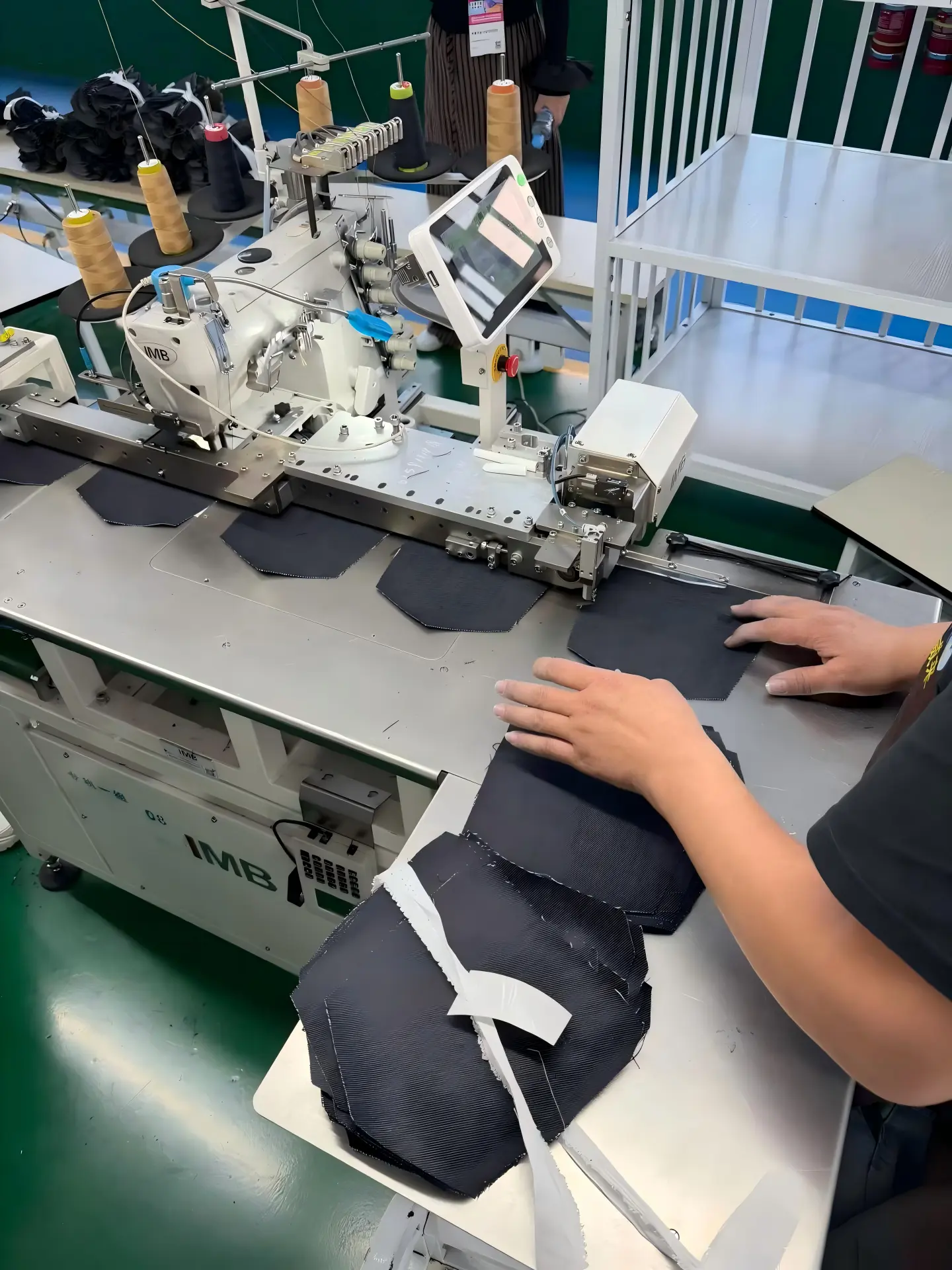
A direct relationship still requires active management. The buyer must review samples on time, provide clear artwork, approve measurable tolerances, and understand which specialist processes the factory subcontracts. Direct access removes a layer of communication; it does not remove the need for written approvals.
When a Trading Company Can Add Real Value
A trading company can be the better choice when the order extends beyond one factory’s specialty. A program that combines sublimated fishing shirts, waterproof waders, deck boots, caps, packaging, and retail displays may require several production sources. One coordinator can align the schedules, collect the goods, and arrange a consolidated shipment.
Trading companies can also help buyers who need support across languages, time zones, and product categories. A capable trader may provide independent factory visits, manage several sample calendars, negotiate with different suppliers, and maintain one commercial point of contact. That work has value when the responsibilities are visible and the buyer understands what the service includes.
Small mixed programs may benefit from a sourcing network, although this is not guaranteed. Minimum order quantity (MOQ) still depends on fabric, colors, printing, trims, and factory setup. Buyers should ask how the proposed MOQ is achieved and whether their order will be produced independently or combined with another program.
The warning sign is not the existence of an intermediary. It is a supplier that hides the factory, changes the production source without approval, or cannot explain who will inspect the finished goods.
How to Verify a Fishing Apparel Supplier
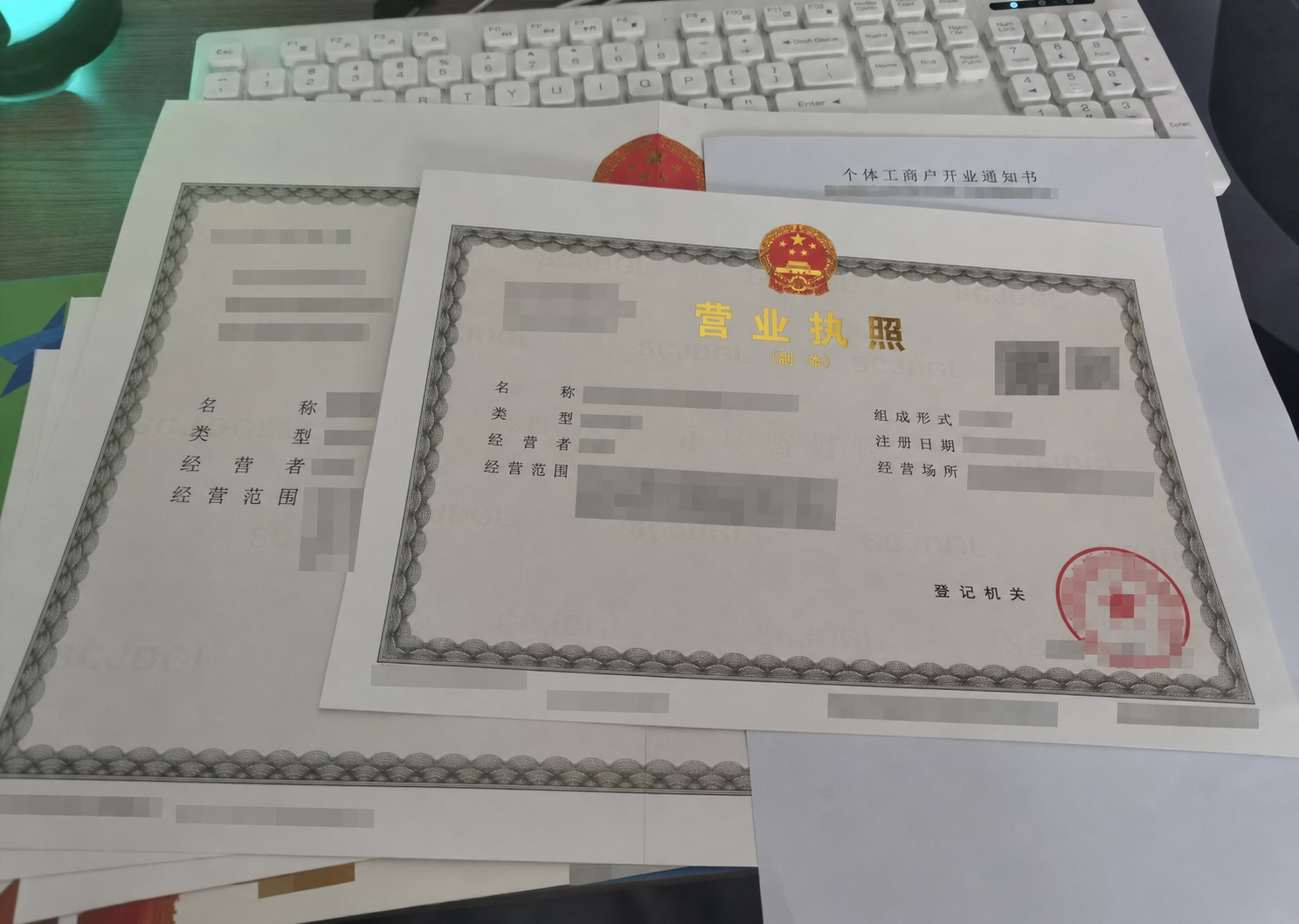
Supplier verification should connect the legal business, the production facility, and the proposed product. A business registration document can confirm that an entity exists, but it does not prove that the company owns sewing lines or has experience with fishing apparel.
Before paying a deposit, ask the supplier to provide the following evidence:
- Legal identity: Confirm the registered company name, address, business scope, and bank beneficiary through appropriate official channels.
- Scheduled production-floor walkthrough: Request a live video call or an independent audit that shows cutting, sewing, finishing, inspection, and storage areas.
- Relevant product evidence: Review recent fishing shirts or comparable performance garments, not unrelated promotional T-shirts.
- Process map: Ask which steps are completed in-house and which are sent to fabric mills, printers, embroiderers, laboratories, or packing partners.
- Quality responsibility: Identify who performs inline checks, final inspection, and any independent acceptable quality limit (AQL) inspection.
- Stage-level schedule: Request planned dates for fabric approval, cutting, sewing, finishing, inspection, and shipment rather than one broad delivery estimate.
A legitimate factory may need to schedule a walkthrough around production confidentiality and safety. A legitimate trading company should be able to arrange access with the approved factory. The goal is traceability, not an instant video call.
What to Lock Before Bulk Production
Supplier verification tells you who is handling the order. Written approval standards determine whether the delivered garments match what you purchased.
| Approval Area | What the Buyer Should Confirm |
|---|---|
| Fabric | Fiber content, GSM, construction, stretch, finish, color, hand feel, and the test requirements for the target market |
| Print and color | Approved artwork, print strike-off, color reference, placement, and an agreed method for evaluating color difference |
| Fit and measurements | Sealed pre-production sample, graded size chart, measurement points, and acceptable tolerances |
| Quality inspection | Inline and final inspection scope, sampling method, defect classifications, and reporting format |
| Timeline | Fabric lead time, sample approvals, production stages, Chinese holidays, inspection, and the agreed shipping window |
| Corrective action | Who pays and what happens if fabric, color, measurements, workmanship, or quantity falls outside the approved standard |
For a UPF claim, request a report that applies to the proposed fabric or finished garment and the requirements of the destination market. For sublimated fishing shirts, approve the print on the actual production fabric because surface texture, stretch, and finishing can affect the result.
These requirements should appear in the purchase order, specification sheet, or quality agreement. Email promises are difficult to enforce when the measurable standard was never defined.
Which Supplier Model Should You Choose?
Choose a direct fishing apparel factory when your program is concentrated in a product category the factory already understands, your team can manage approvals, and direct access to fabric, fit, printing, and production decisions matters.
Choose a trading company when you need several product categories, supplier coordination, consolidation, or a dedicated sourcing service that your own team cannot provide efficiently.
The strongest supplier is not the one with the most convincing company label. It is the one that can show who performs each task, quote the complete scope, document approvals, and accept clear responsibility when production does not match the agreed standard.
Last updated: July 21, 2026 | Victor, Founder of EZ Fishing Wear | Dongguan, China
The production photographs in this article come from our manufacturing workflow. Registration details are redacted for privacy. Product cost, MOQ, testing, and lead time depend on the approved specification and order conditions.