Best for a first collection
Start from a proven block
Choose an existing fishing-shirt construction, then adjust the fabric, fit direction, colors, logos, labels, and packing. This keeps the first development cycle focused.
Private label fishing apparel manufacturer
We turn your brand direction into fishing apparel with an approved fit, fabric, construction, labels, packaging, and a production file you can reorder. Start from a tech pack, a sample, or a clear idea.
What private label means here
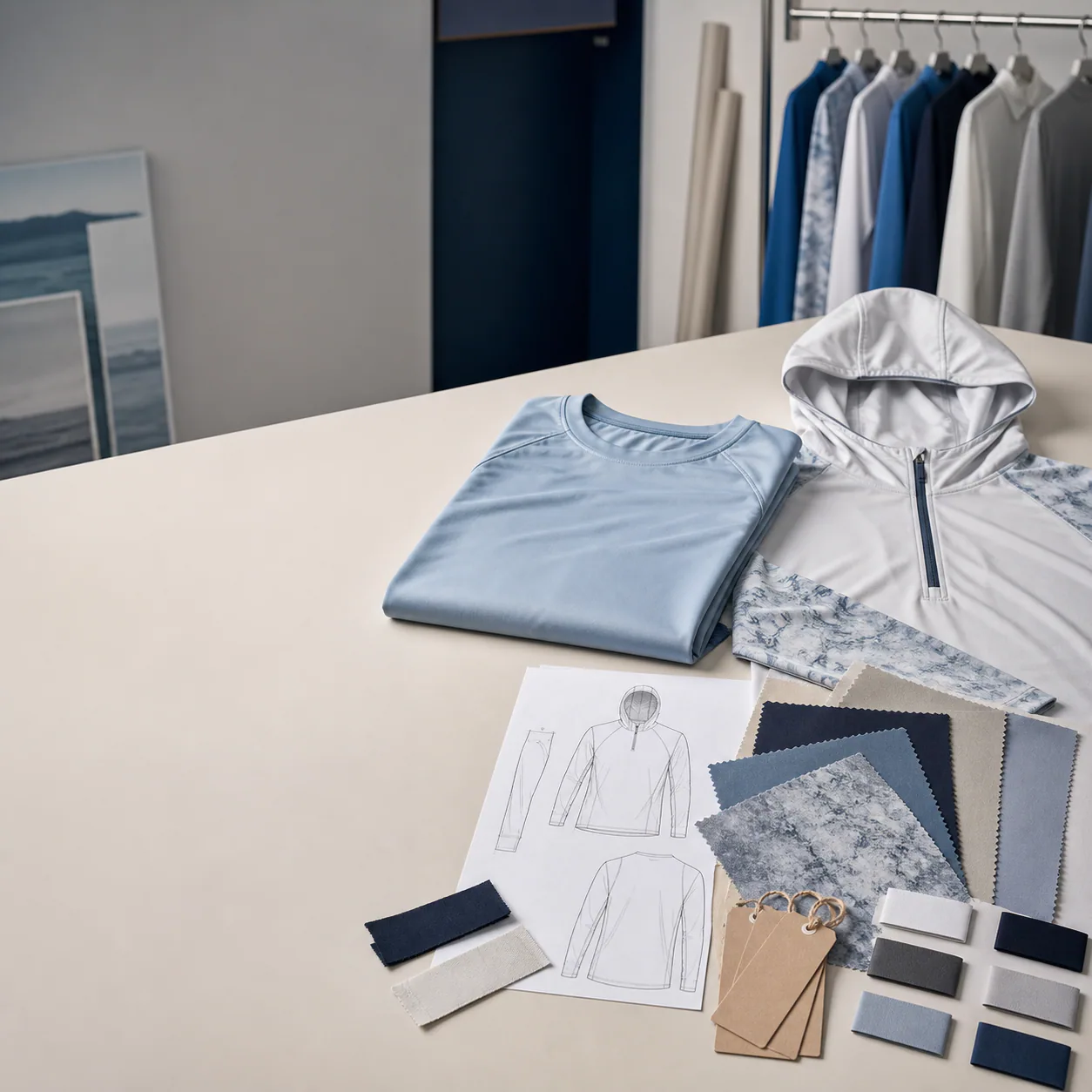
Private label fishing apparel is custom or adapted clothing produced with the buyer’s approved branding, product specification, labels, and packaging. It is not a blank shirt sent elsewhere for decoration. The garment and the brand presentation are approved together before bulk production.
That distinction matters when you reorder. If the pattern version lives in one email, the label artwork in another, and the size stickers were chosen after production, the second order becomes another first order. We keep those decisions tied to the approved style.
For a woven first product, review our custom button-up fishing shirts. The garment brief should also cover the labels, hangtags and packaging that make it ready for your retail range.
Choose your starting point
Best for a first collection
Choose an existing fishing-shirt construction, then adjust the fabric, fit direction, colors, logos, labels, and packing. This keeps the first development cycle focused.
Best when the feel is easier to show than explain
Send a garment you like and mark what must change. We measure the reference, document the new details, and make a fresh sample under your brand.
Best for a defined product
We review measurements, fabric, construction, artwork, trims, labels, and packing before quoting. Conflicts are raised before sampling rather than guessed on the line.
The first 100 pieces
If your first run is 100 pieces, do not make it carry five unrelated ideas. Choose the product most likely to prove fit, fabric, and price with your actual customer. Sizes can normally be mixed inside one approved shirt style and colorway.
Brand components
The garment is only one part of the approval. The label copy, attachment, retail data, packing, and carton instructions must also match the market where the product will be sold.
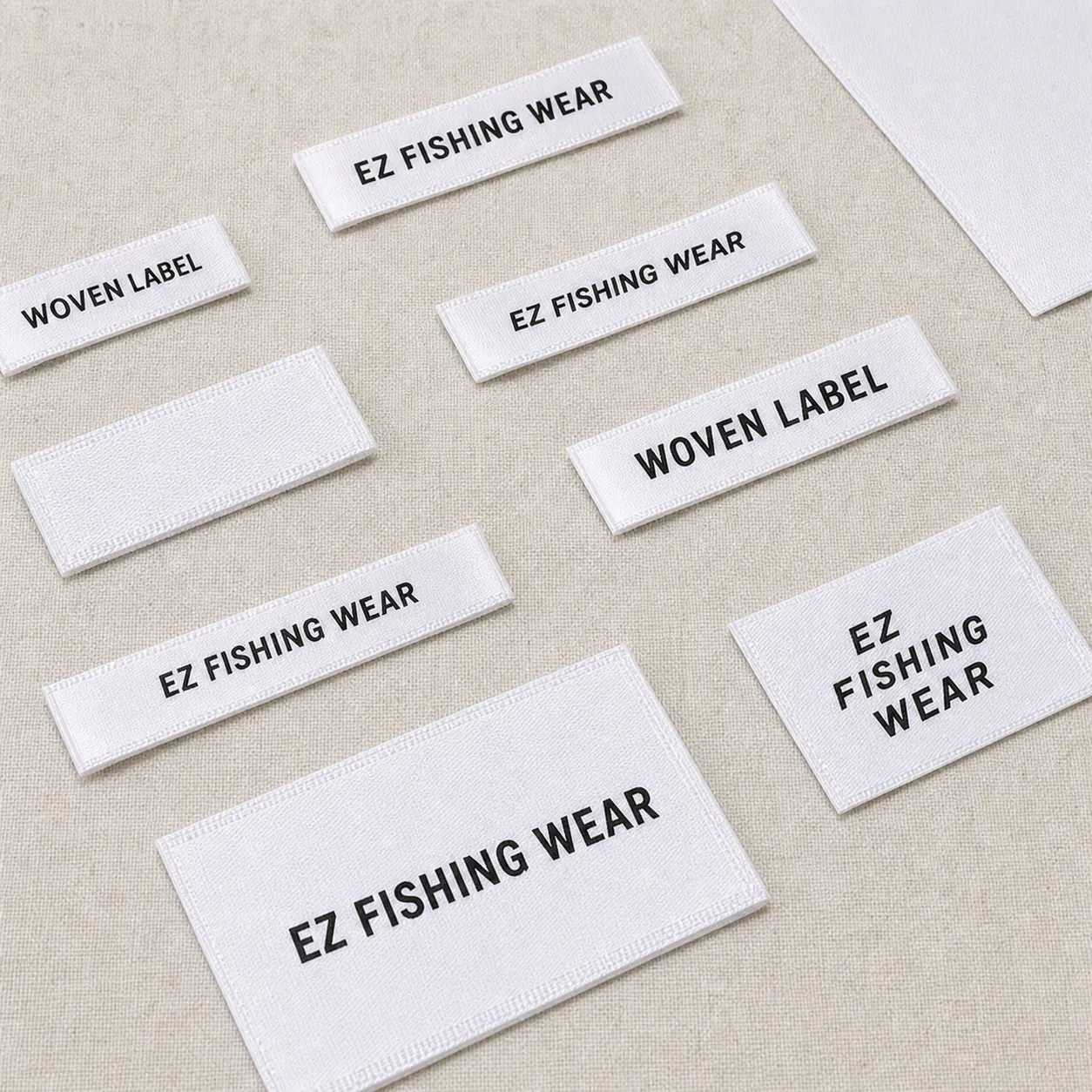
Brand mark, size, attachment method, fold, dimensions, and thread colors approved before bulk.
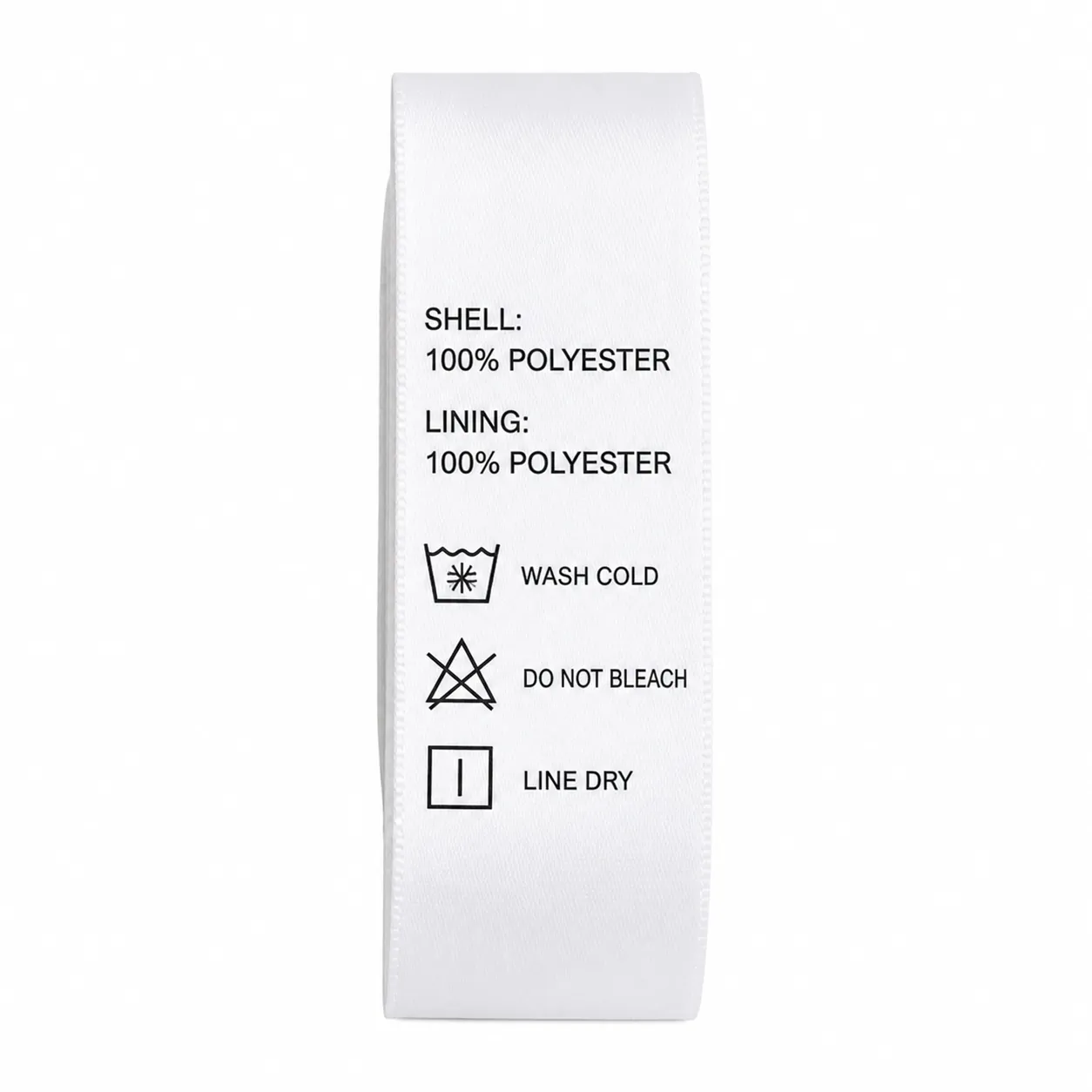
Fiber content, care instructions, country-of-origin wording, and market-specific copy supplied or approved by the buyer.
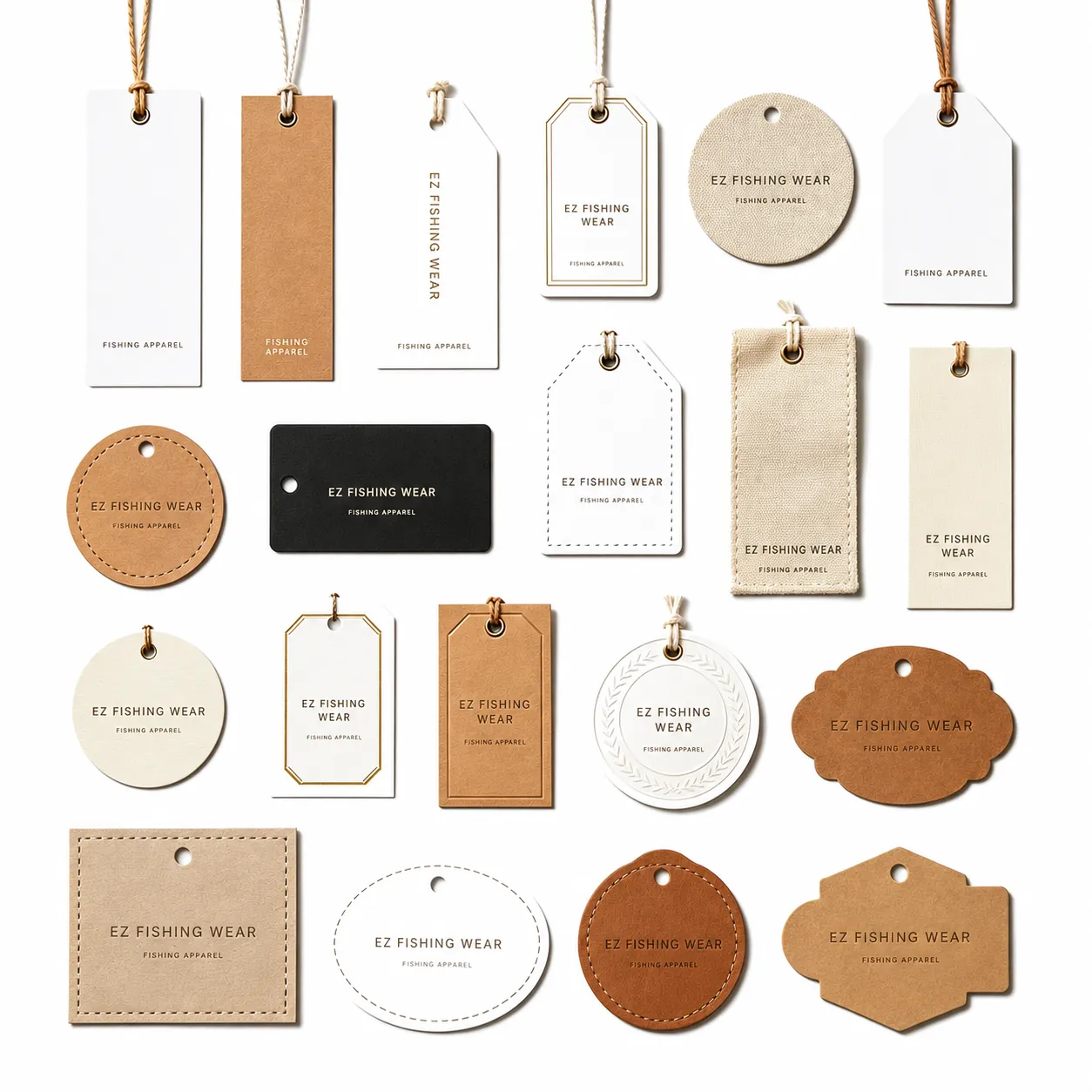
Tag stock, print finish, string or fastener, barcode position, SKU, size, and retail price fields.
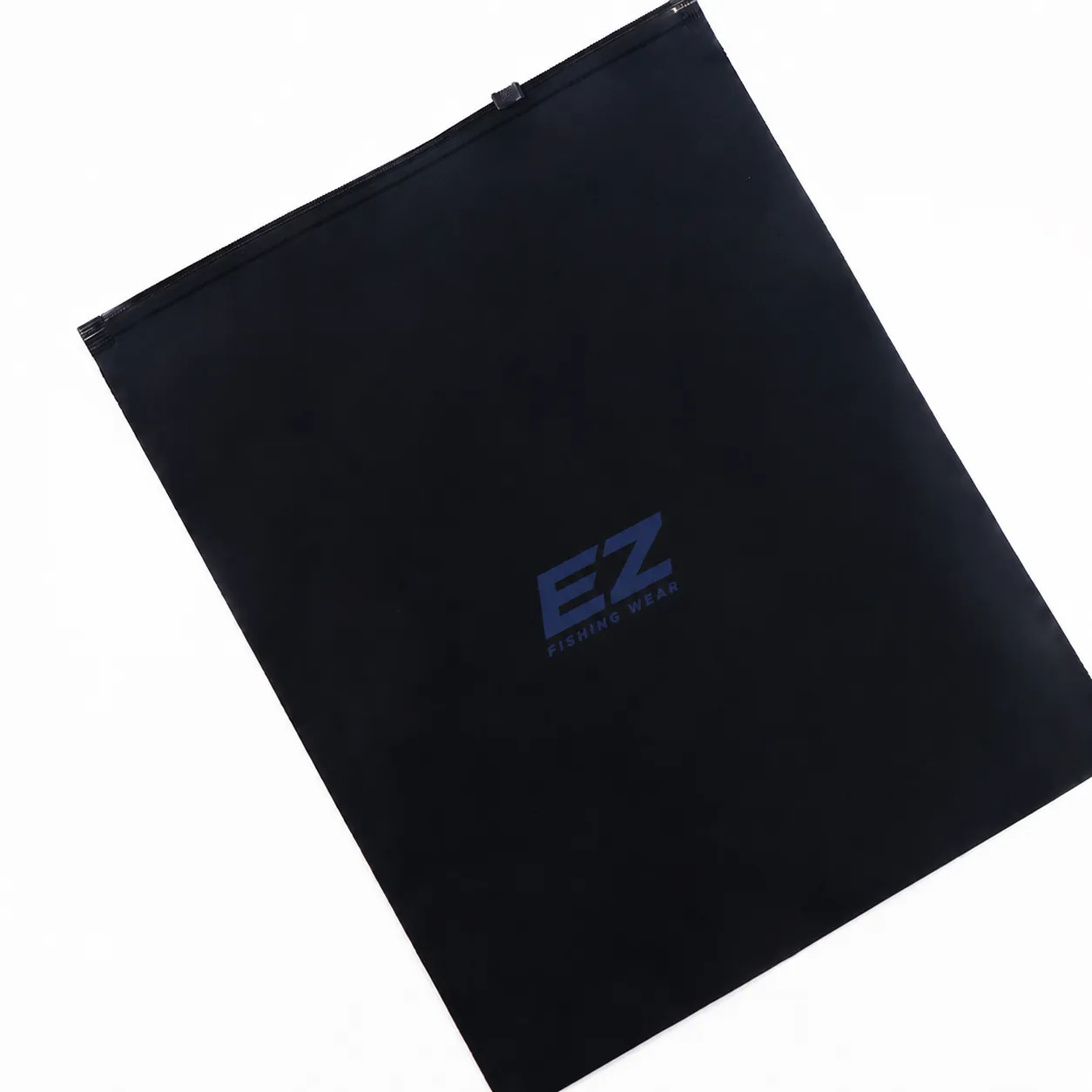
Individual bags, suffocation warnings, stickers, size identification, carton assortments, and shipping marks.
Development record
The handoff between sampling and bulk is where vague brands become expensive. Each approved choice needs a version, owner, and production reference.
See What Goes Into a Tech PackWe cut the wish list down to the products that share a buyer, price position, fabric story, and realistic first-order budget.
Each style gets a written record for fit, material, construction, decoration, labels, size range, packing, and delivery assumptions.
Available stock options are compared with custom-developed materials so you can see the effect on minimums, price, and timing.
A typical first sample takes about two weeks after the main details are locked. Measurement, workmanship, color, and branding comments are recorded by version.
The signed sample and final specification become the factory reference for cutting, sewing, decoration, finishing, and inspection.
Goods are packed to the agreed SKU and carton plan. Approved pattern, artwork, label, and packing files are retained for a cleaner reorder.
A first-run example
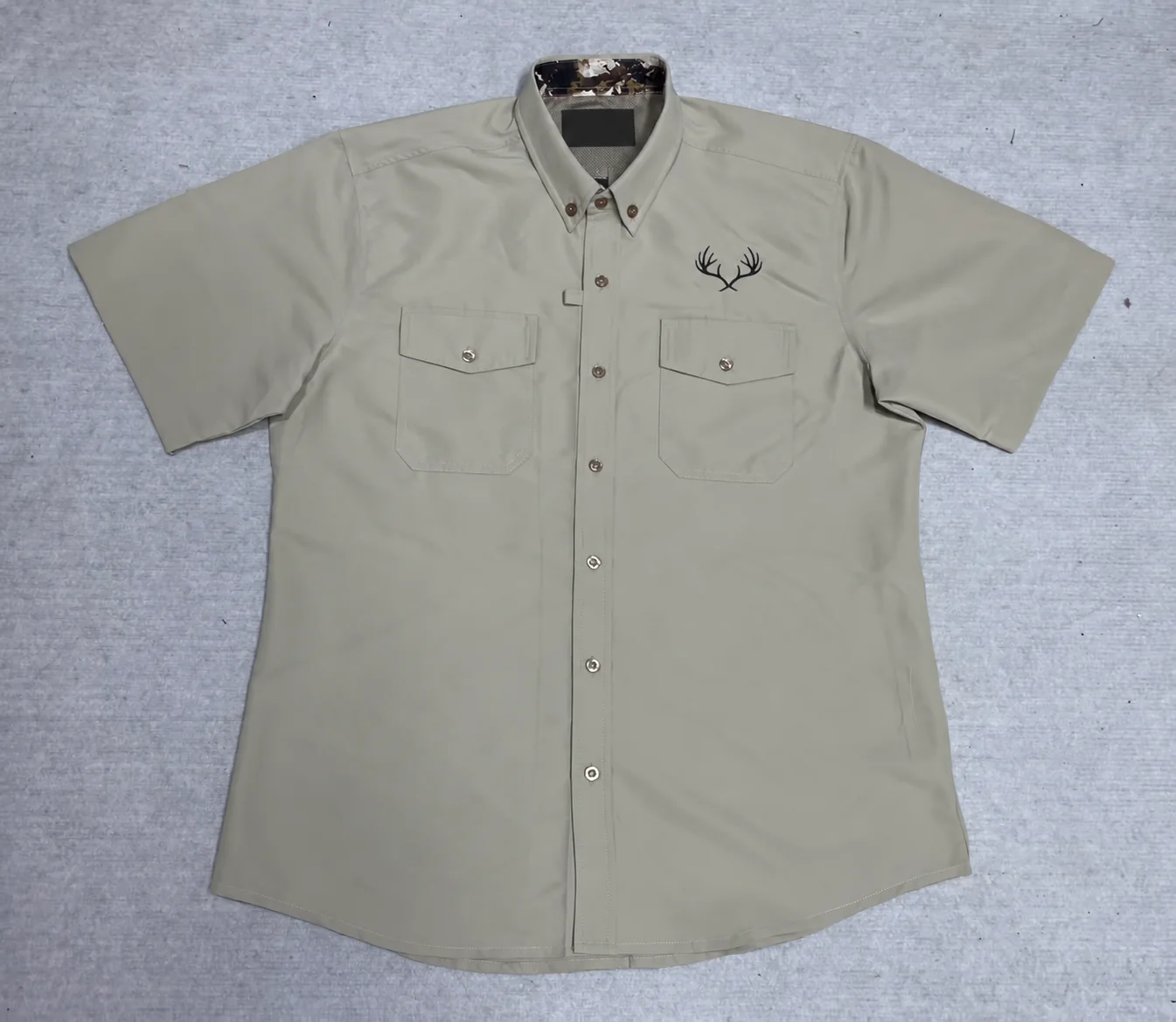
This project combined a 150 GSM polyester body with embroidered branding, a sublimated inner collar, an integrated lens cloth, two chest pockets, and a covered mesh back panel. The sample took two weeks; approved bulk production took three weeks.
The useful part is not the feature count. Each feature had a production consequence: embroidery backing and placement, print alignment at the collar, pocket symmetry, lens-cloth attachment, and vent construction all had to be visible on the approved sample.
Read the complete case study →Before requesting a price
Fabric: stock material, custom color, yarn treatment, weight, stretch, finish, and required report scope.
Construction: pattern development, vents, pockets, hoods, seam type, closures, reinforcement, and size range.
Branding: embroidery stitch count, print coverage, label materials, hangtags, stickers, barcodes, and custom packaging.
Delivery: sample rounds, order quantity, packing method, inspection, shipping term, and destination.
Buyer questions
Our starting MOQ for custom fishing shirts is 100 pieces per style and colorway. Sizes can normally be mixed within an approved style. Fabric, custom-dyed colors, trims, decoration, and packaging may affect the final minimum, so we confirm the complete specification before quoting.
Not automatically. The 100-piece starting point applies to an approved shirt style and colorway. Different fabrics, patterns, constructions, or custom-dyed colors may create separate minimums. A focused first collection usually gives a startup better buying power than splitting 100 pieces across many unrelated SKUs.
No. We can begin with a reference garment, annotated images, measurements, artwork, and a clear target market. The missing decisions still need to be written into the sample record before production.
Yes. Private-label orders ship with the buyer-approved branding only. Your neck label, care label, size identification, hangtag, and packaging are confirmed as part of the order.
Buyer-supplied artwork and order-specific files are used for that buyer’s program. We can review an NDA before proprietary files are shared. Ownership of any new paid pattern or artwork work should be written into the quotation and approval record.
A typical first sample is about two weeks after the specification is clear. Bulk timing is quoted after sample approval because fabric availability, custom trims, testing, quantity, and packing can change the production schedule.
Start with the range
Send the product direction, expected quantity, sales market, target timing, and the files you already have. We will identify the missing decisions before quoting.
Yiwu Yihui Trading Company is our dedicated export entity for overseas business, export documentation, and international shipments.