
Choose sublimation for an all-over design, gradients, sponsor graphics, or a lightweight polyester fishing jersey. Choose embroidery for a small chest logo, a structured fishing polo, or a darker fabric that needs a raised, tactile mark. Neither method wins every durability test. The fabric, artwork, placement, and finishing determine what lasts.
That distinction matters. Embroidery wears through mechanical stress: thread can fuzz, snag, or pull against a light fabric. Sublimation has no surface layer to crack or peel, but its color can shift or fade when the wrong fabric, transfer settings, washing conditions, or prolonged light exposure are involved.
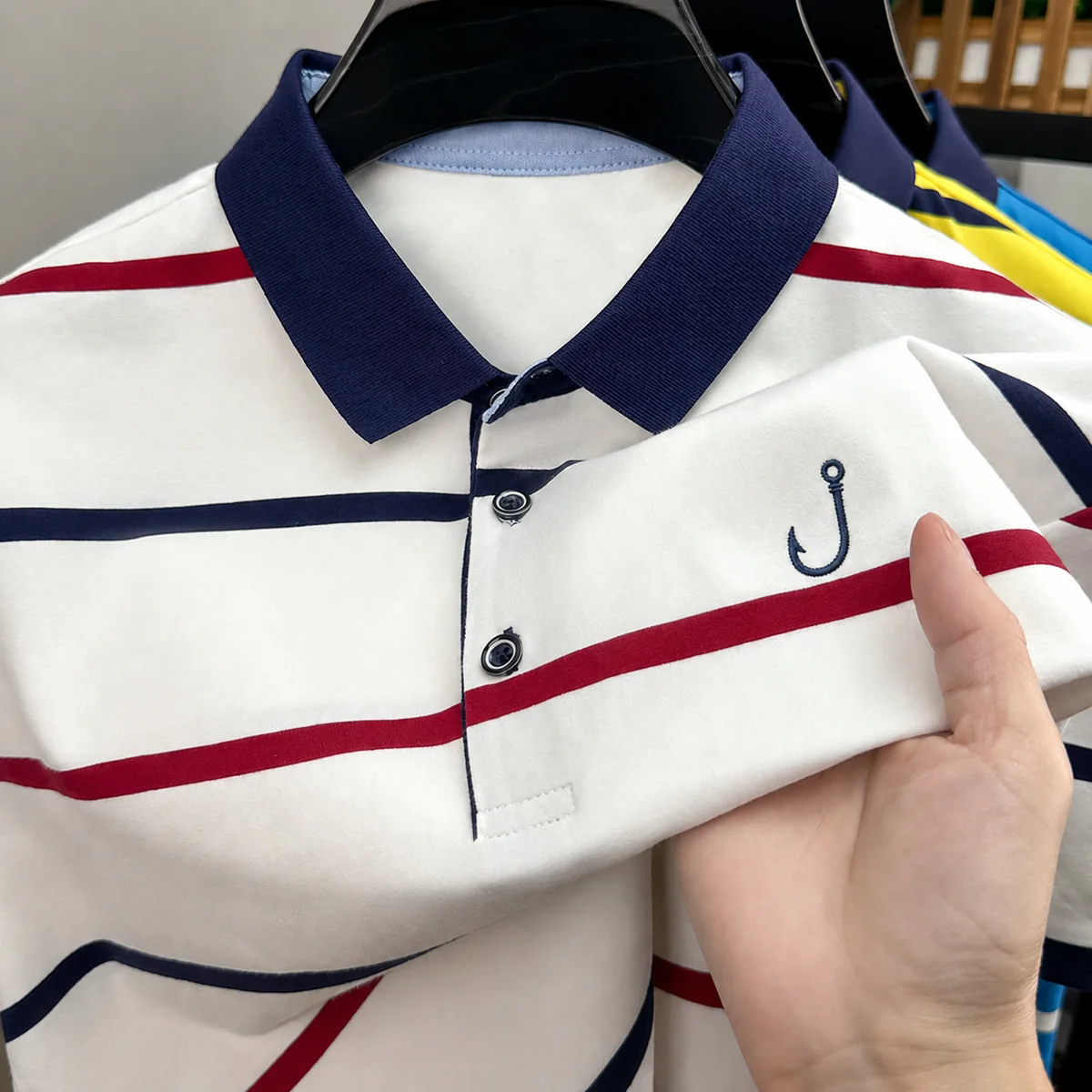
Embroidery vs sublimation: the quick verdict
| Decision point | Embroidery | Sublimation |
|---|---|---|
| Best artwork | Small logos, simple lettering, badges, and premium marks | All-over patterns, gradients, photos, and multiple sponsor logos |
| Fabric compatibility | Works on many knits and wovens when the fabric is stabilized correctly | Works best on polyester or another sublimation-receptive surface |
| Hand feel | Raised thread and backing add weight to the decorated area | No added surface layer on the printed area |
| Main durability risk | Snagging, thread abrasion, puckering, or stress around dense stitches | Color change from weak transfer control, washing, abrasion, or long light exposure |
| Dark garments | Suitable because thread sits above the fabric | Standard dye sublimation cannot print an opaque light color over a dark base |
| Cost driver | Digitizing, stitch count, number of placements, backing, and handling | Print area, paper and ink use, panel layout, pressing, cutting, and sewing |
| Typical fishing use | Polo chest marks, woven shirts, caps, jackets, and small brand logos | Tournament jerseys, sun shirts, team uniforms, and full-panel graphics |
For most graphic-heavy custom fishing shirts, sublimation is the practical starting point. For a clean custom fishing polo shirt or a structured button-up fishing shirt, embroidery often gives the better product impression.
What does “lasting longer” mean on a fishing shirt?
A logo can look fine after twenty washes and still fail in the field. Fishing apparel deals with sunlight, salt, sunscreen, boat seats, backpack straps, and repeated arm movement. A useful comparison needs more than a wash count.
Laundry
Sublimation dye is transferred into polyester rather than applied as a separate film. There is no printed layer to lift at the edge. Embroidery also handles washing well when the thread, backing, stitch density, and fabric are matched. The first embroidery problems usually show as puckering, loose thread ends, or a backing edge that becomes uncomfortable against the skin.
If wash durability matters to the program, write the expected care cycle into the development brief. A lab can evaluate color change and surface change with a method such as AATCC TM61 for accelerated laundering. A factory wash check is still useful, but it is not the same as a defined lab method.
Sunlight
Sublimated colors can lose intensity after extended outdoor exposure. The rate depends on the ink system, color profile, fabric, shade, and exposure conditions. Navy, fluorescent tones, and certain bright colors may not age at the same rate.
Embroidery thread also changes under light. A physical thread does not make the color immune to UV exposure. Ask for colorfast thread when the garment is intended for charter crews, tournament teams, or regular saltwater use.
Abrasion and snags
This is where embroidery needs more care. A raised logo can rub against a life jacket or catch on rough hardware. Dense stitching also concentrates stress in one area of a lightweight knit.
Sublimation keeps the fabric surface almost unchanged, so it is usually safer for large artwork across the shoulders, sleeves, and torso. The fabric itself can still pill or abrade. The print method does not fix a weak base cloth.
Stretch and hand feel
An embroidered badge does not stretch like a polyester-spandex jersey. Put a dense design across the side body or upper back and the wearer may feel the stiff area while casting. Small chest placements avoid most of that problem.
Sublimation follows the fabric because it does not add a thick layer. That makes it a strong option for lightweight sun shirts, stretch panels, and high-coverage graphics.
When embroidery is the better choice
Embroidery is not just a decoration method. It changes how the garment reads from a few feet away. Thread catches the light, creates depth, and makes a small logo feel deliberate. That works well for resort programs, fly-fishing collections, guide uniforms, and private-label polos that need a cleaner retail look.
Use embroidery when:
- The logo is compact and does not rely on fine gradients
- The garment uses a dark base color or a fabric that is not suitable for sublimation
- A raised chest, sleeve, or cap-style mark supports the brand position
- The shirt has enough stability for the selected stitch density and backing
The sample needs to be embroidered on the actual production fabric. A stitch file that looks clean on a cotton pique can pull a lightweight polyester knit into waves. During sampling, we check the needle, thread, stitch direction, density, backing, trimming, and placement together. Changing one of those items can change the result.
For performance knits, a cut-away or other stable backing is often safer than relying on a light tear-away backing alone. The exact choice depends on the fabric and how the inside of the shirt should feel. Ask to see the face and back of the embroidery sample before approval.
When sublimation is the better choice
Sublimation gives a fishing brand far more artwork space. A body panel can carry a water pattern, map lines, team colors, sponsor names, and a large fish illustration without stacking separate print layers on the shirt.
The process uses heat to move dye into polyester fibers or another receptive polymer surface. That material limit is important. A blend does not have one universal cutoff where sublimation suddenly works or fails. As the non-polyester portion increases, the print may look softer, heathered, or less saturated. Test the actual fabric rather than approving it from composition alone. Sawgrass gives a concise technical explanation of sublimation bonding to polyester.
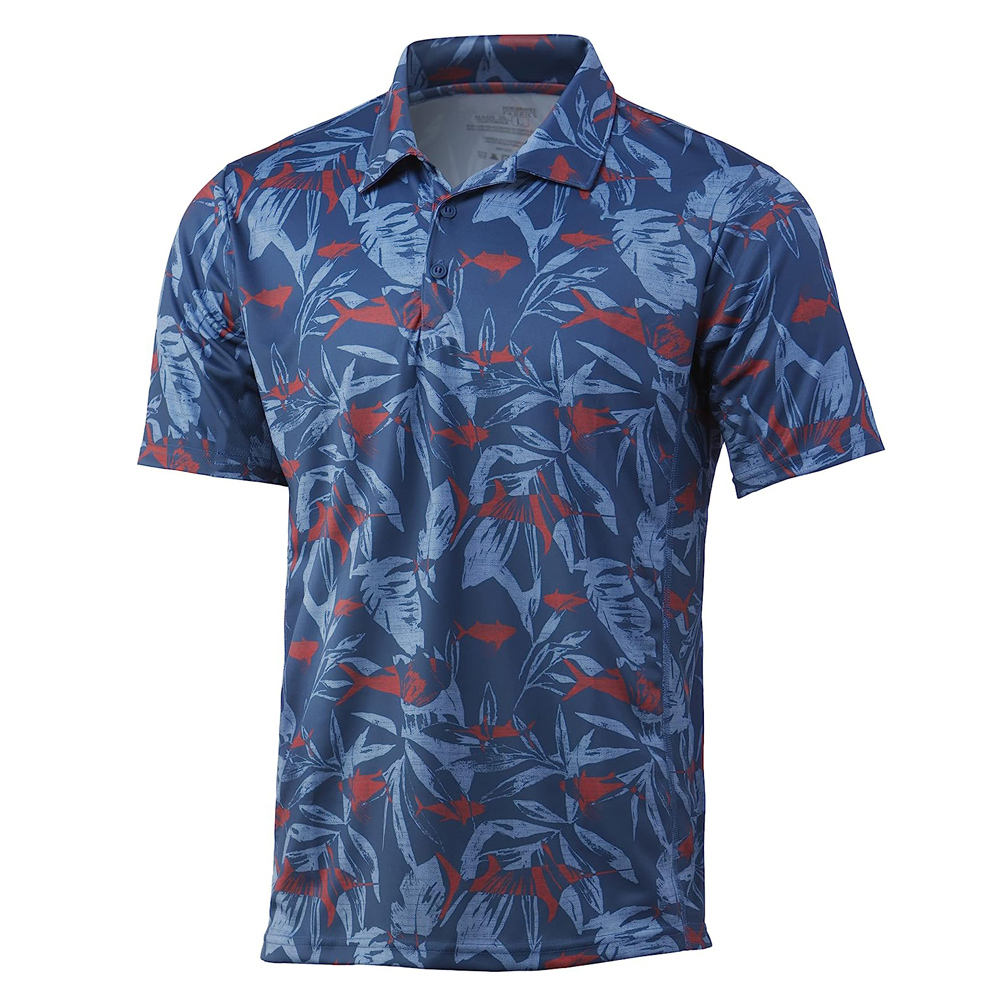
Use sublimation when:
- The design covers most of the shirt or crosses several cut panels
- The artwork includes gradients, repeat patterns, photos, or many colors
- Multiple sponsor logos need to sit within one print file
- The product uses a tested polyester fabric and can start from a white or light base
Standard dye sublimation is transparent. It does not place an opaque white logo over a finished black shirt. For a dark-looking jersey, the usual route is to print the dark background and lighter artwork onto a white polyester base, then cut and sew the printed panels.
Factory checks that prevent most failures
The decoration choice should be approved with the fabric, not after it. We use four checkpoints before bulk production.
- Artwork review. Confirm the final logo dimensions, color references, smallest lettering, line thickness, and placement. Embroidery may need simplified detail; sublimation may need panel-safe margins.
- Physical strike-off. Produce embroidery on the actual fabric or print a sublimation color strike-off on the approved material. A screen preview is not enough.
- Wear and care check. Review washing, stretch, abrasion, and exposure requirements for the target market. Compare the sample before and after testing under the same light.
- Bulk control sample. Keep the signed sample, approved artwork, thread or color references, and fabric details together so production QC has one standard.
Fabric weight, knit structure, stretch, moisture-wicking finish, and color can all affect the decoration result. If those decisions are still open, use our fishing shirt fabric guide before locking the logo method.
Can embroidery and sublimation be used on the same shirt?
Yes, and the combination can look better than forcing one method to do everything.
A common route is a sublimated body with a small embroidered chest mark on a solid collar panel or stable front area. The sublimation carries the large pattern and sponsor graphics. The embroidery gives the main brand logo texture. Keep the embroidered area small, test it after the fabric has been printed, and make sure the backing does not show through a light panel.
Another option is a solid-color fishing polo with embroidery on the chest and a small sublimated insert inside the collar or under the placket. It creates a branded detail without putting a dense stitch field across a stretch zone.
FAQ
Is sublimation more durable than embroidery?
Sublimation avoids cracking, peeling, and raised-thread snags because it does not add a surface layer. Embroidery can still last for the usable life of a shirt when the fabric, stitch density, backing, and thread are correct. The better choice depends on the failure risk that matters most for the garment.
Can you embroider a sublimated fishing shirt?
Yes. Embroidery is normally added after the panels have been sublimated and assembled, or at the agreed stage in the sewing sequence. Test the exact placement because dense stitches can distort lightweight printed fabric.
Which method is cheaper for a 50-piece order?
There is no reliable answer without the artwork. A small one-position embroidered logo may be efficient, while an all-over sublimated design can include many logos without charging by stitch count. Compare the total decorated garment cost, not a generic price per logo.
What files should I send to the factory?
Send editable vector artwork such as AI, EPS, or vector PDF when possible, plus color references and final placement sizes. The embroidery supplier will create a machine stitch file from the approved artwork. For sublimation, provide linked fonts or outlined text and any repeat-pattern instructions.
Choose the method from the product, not the trend
If the shirt is a lightweight tournament jersey with full-color artwork, start with sublimation. If it is a polished polo or woven fishing shirt with a compact logo, start with embroidery. For a hybrid design, separate the jobs: let sublimation handle coverage and let embroidery handle the small tactile mark.
Before requesting a quote, send the shirt reference, actual fabric direction, logo size, number of placements, target quantity, and delivery market. Use the fishing apparel size chart to plan the range, then request a logo and fabric review before sampling.
Production note: Decoration recommendations in this guide are development starting points. Final durability depends on the approved fabric, ink or thread system, artwork, equipment settings, care conditions, and the inspection standard agreed for the order.