
Choose a sun hoodie when added head and neck coverage suits the task and works with the crew’s other equipment. Choose a long-sleeve UV work shirt when workers use separate head protection, move frequently between indoor and outdoor spaces, or need a cleaner uniform and layering system.
Neither format is always better. The correct decision depends on coverage, PPE compatibility, heat and airflow, movement, visibility, worker acceptance, and the evidence supporting the intended UPF claim.
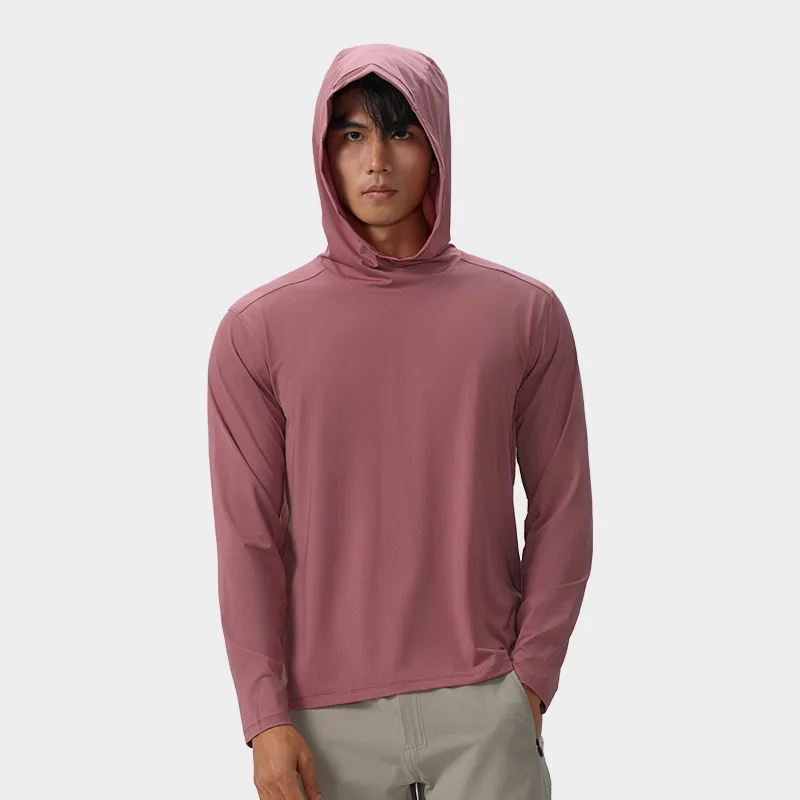
Sun hoodie vs. UV work shirt: the practical comparison
| Decision point | Sun hoodie for work | Long-sleeve UV work shirt |
|---|---|---|
| Head and neck coverage | Adds fabric coverage when the hood is worn correctly | Relies on a hat, hard hat accessory, collar, or other approved system |
| PPE compatibility | Must be tested with the actual hard hat, hearing protection, eyewear, respirator, and harness | Usually simpler around separate head protection, but collar and seams still need checking |
| Indoor-outdoor use | Hood can be lowered, although extra fabric remains around the neck | Cleaner transition for mixed warehouse, vehicle, office, and field work |
| Heat and airflow | Depends on hood volume, face opening, fabric, fit, and ventilation | Leaves the head and neck more open; body comfort still depends on fabric and fit |
| Visibility | Reflective details can be integrated, subject to the required standard | Reflective details or a separate compliant vest may be easier to coordinate |
| Branding | More surface area for printed artwork and contrast panels | Straightforward chest, sleeve, and back logo positions |
| Worker adoption | Useful where crews value extra coverage | Familiar uniform shape that some crews find easier to wear all day |
The table is a starting point, not a substitute for a jobsite trial. Two garments that look similar can behave differently once a worker bends, reaches, sweats, wears a radio, or adds mandatory PPE.
When a sun hoodie is the better starting point
A work sun hoodie can suit crews who spend long periods in open sun and want coverage around the back of the neck, ears, and part of the head without managing a separate loose accessory.
It is often worth sampling for:
- Landscaping, surveying, property maintenance, and open-site inspection
- Residential construction tasks where the approved PPE system allows the hood
- Delivery, field service, and utility support work with extended sun exposure
- Branded teams that want one recognizable long-sleeve garment
The hood needs a real pattern, not simply extra fabric attached to a crew-neck body. Check depth, face opening, neck balance, peripheral vision, wind movement, and whether the hood pulls the front neckline backward. If workers wear caps, test the hood over the cap. If they wear hard hats or hearing protection, test the exact combination and follow the equipment manufacturer’s instructions and site policy.
A hood is not respiratory protection and should not be described as dust protection. Where airborne hazards exist, the employer must assess the exposure and select the appropriate respiratory controls and equipment.
When a long-sleeve UV work shirt is the cleaner choice
A non-hooded long-sleeve shirt is often easier to integrate into an existing uniform program. It leaves head protection separate, reduces fabric around the neck, and works across vehicles, warehouses, meetings, and field tasks.
It is often the stronger option when:
- Hard hats, hearing protection, or other head-mounted PPE are used frequently
- Workers already use an approved brim, neck shade, or separate sun system
- The same uniform must work indoors and outdoors
- Supervisors need polos or collared shirts rather than an athletic hoodie appearance
- The garment is layered under a vest, jacket, or harness
Removing the hood does not automatically make the shirt cool. A dense, tight, dark, or poorly fitted long-sleeve shirt may feel warmer than a well-ventilated hoodie. Compare the approved fabrics and samples under the same work conditions.
Fabric and ventilation matter more than the product name
There is no universal GSM range that makes a garment suitable for construction or outdoor work. Fabric weight must be evaluated together with knit or woven structure, yarn, color, stretch, surface, fit, moisture handling, drying, seam layout, and expected abrasion.
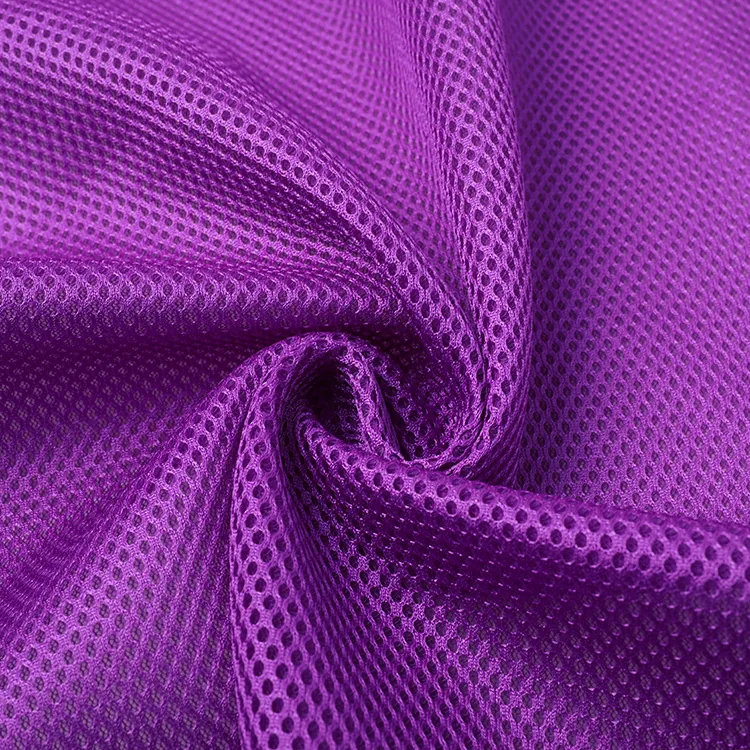
For both formats, examine:
- Airflow at the torso, underarms, back, and neck
- Fabric cling and opacity after perspiration
- Sleeve coverage while reaching and lifting
- Seam position under safety vests, harnesses, and tool belts
- Snagging and abrasion where the task creates contact
- Drying time and appearance after the planned washing routine
If mesh or a contrast panel is added, confirm what test evidence applies to that material. The main body’s UPF report should not be silently extended to every secondary panel.
PPE compatibility needs a sample, not an assumption
OSHA’s PPE guidance emphasizes selection based on workplace hazards, correct fit, training, and the limitations of the equipment. A clothing supplier can build to the approved brief, but the employer must decide what is appropriate for the job.
Run a wear trial with the smallest, middle, and largest garment sizes and the actual equipment. Ask workers to turn their heads, bend, reach overhead, climb, sit in a vehicle, use a radio, and repeat normal hand movements.
For a hooded shirt, check that the hood does not:
- Disturb hard-hat retention or adjustment
- Restrict peripheral vision or head movement
- Interfere with hearing protection, eyewear, or respirator seals
- Catch on the harness, tools, or surrounding equipment
- Create unacceptable heat or fabric bunching at the neck
If the combination fails the trial or conflicts with site policy, use a non-hooded UV work shirt and an approved separate sun-coverage solution.
Reflective trim does not settle the style decision
Both a hoodie and a long-sleeve work shirt can carry reflective details. Placement should be planned around movement, seams, logos, outer layers, and the required visibility from different directions.
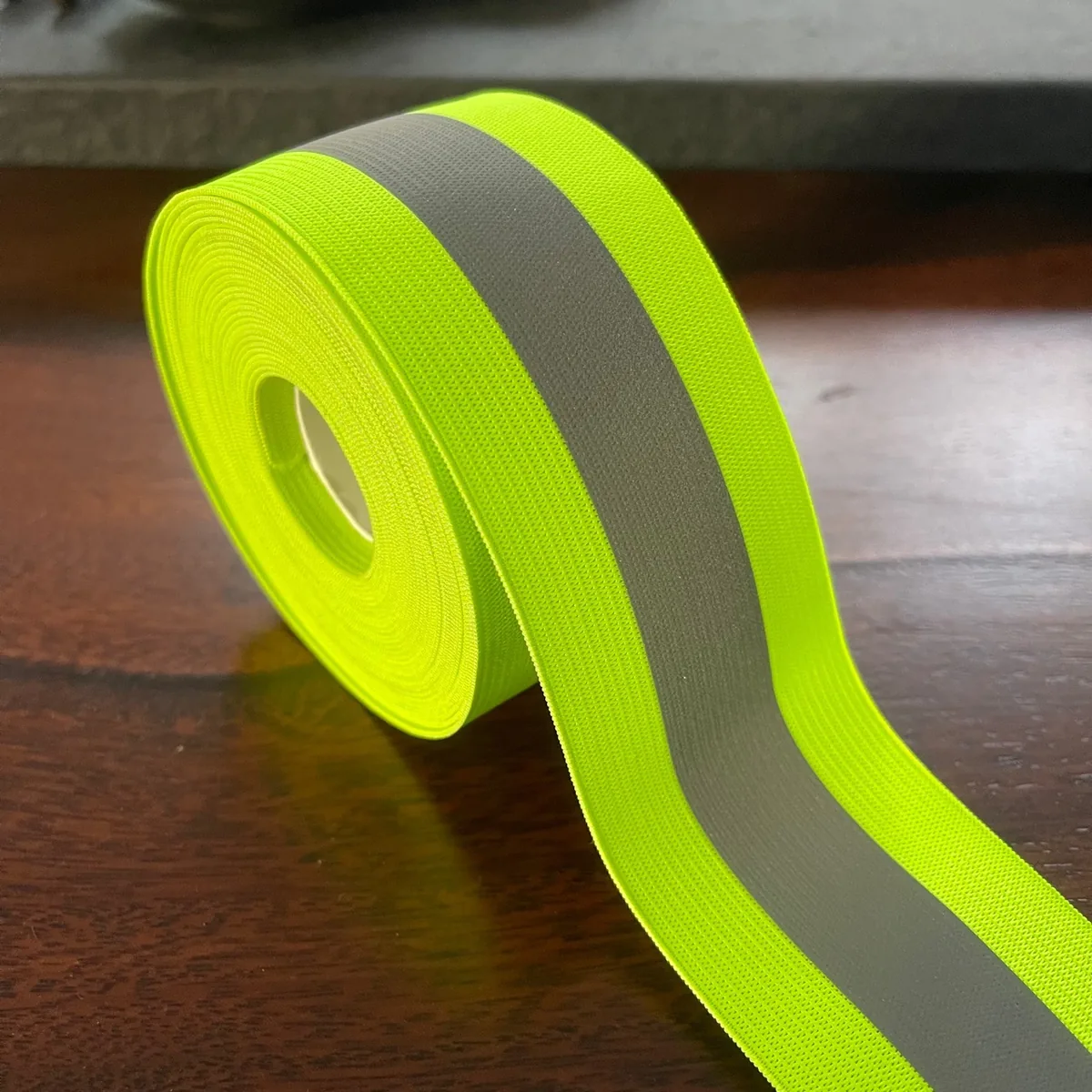
If the site requires a particular high-visibility standard or performance class, put that requirement in the product brief before design begins. Do not ask for “some reflective tape” and assume the finished shirt will qualify.
Approve the style through a pre-production wear trial
For our custom UPF workwear program, the normal MOQ is 100 pieces per style and colorway. That makes the sample stage the right place to compare options before bulk production, rather than ordering two speculative production batches.
After the fabric, measurements, artwork, and trims are confirmed, a sample normally takes about two weeks. Use it to verify:
- Coverage during actual work movements
- Compatibility with the approved PPE and uniform layers
- Heat, airflow, fabric cling, and drying
- Logo and reflective-detail position
- Sleeve, cuff, hood, collar, and body measurements
- Wash appearance and dimensional stability
- Worker acceptance across different roles and body sizes
The final decision may not be one style for everyone. A company can keep the same color, logo, fabric direction, and reorder controls while using a hoodie for one crew and a non-hooded shirt for another task.
Can a sun hoodie be worn under a hard hat?
Only if the actual combination is permitted by the equipment instructions and workplace policy, and it passes the employer’s fit and hazard review. Do not assume every hood works safely with every hard hat.
Is a sun hoodie hotter than a UV work shirt?
Not necessarily. Hood design, fabric, color, fit, ventilation, humidity, wind, and activity all affect comfort. Compare samples in the intended work conditions.
Does a UV work shirt need a UPF report?
If the product will carry a specific UPF claim, request evidence that matches the approved material and relevant conditions. “UV shirt” in a product name is not the same as a documented UPF rating.
Which style is better for a construction crew?
It depends on the tasks, climate, head protection, visibility requirements, indoor-outdoor schedule, and worker acceptance. Many companies should trial both formats with actual PPE before selecting the production style.