
The right UPF work shirt starts with the job, not a fabric swatch. An employer should define the work environment, coverage, heat and moisture conditions, required visibility, other PPE, laundering routine, and the sun-protection claim before approving a garment.
That order matters. A lightweight shirt can be comfortable but unsuitable for a rough task. Reflective trim can make a crew easier to notice without turning the shirt into certified high-visibility safety apparel. A fabric report can support a UPF claim, but it does not automatically cover every color, mesh insert, or replacement material.

UPF work shirts: the short buying answer
| Decision | What the buyer should confirm |
|---|---|
| Work setting | Trade, task, season, exposure time, abrasion, dirt, and indoor-outdoor transitions |
| Sun coverage | Sleeve length, body length, collar or hood, cuff position, and exposed areas |
| UPF evidence | Exact tested material, method, color, construction, and relevant conditions |
| Heat comfort | Fabric structure, airflow, fit, moisture handling, color, and optional vent panels |
| Visibility | Whether simple reflective detailing is enough or a named safety standard and class is required |
| Branding | Logo method, size, location, stretch, airflow, and wash expectations |
| Reorders | Approved fabric code, trims, colors, measurements, artwork, and inspection points |
This is a better starting point than asking a supplier for “a 160 GSM UPF shirt” or “an SPF 50 work shirt.” There is no single fabric weight that suits every outdoor job, and clothing uses a UPF rating rather than a sunscreen SPF rating.
Start with the employer’s hazard assessment
An apparel factory can develop a garment to an approved brief. It cannot decide which PPE or safety classification a workplace requires. OSHA’s PPE assessment guidance places workplace hazard assessment and PPE selection with the employer. The assessment can include heat, optical radiation, moving equipment, traffic, chemicals, dust, and other site-specific risks.
Before requesting samples, document:
- The tasks and locations where the shirt will be worn
- Required hard hats, hearing protection, fall protection, respirators, vests, or harnesses
- Heat, humidity, wind, dust, abrasion, and washing conditions
- Daytime, low-light, roadside, or traffic-control exposure
- Company standards and any regulation or customer specification that applies
This prevents a common buying mistake: treating a branded sun shirt as a complete safety garment. A UPF work shirt can be one useful part of a broader program, alongside shade, scheduling, hydration, sunscreen for exposed skin, training, and task-appropriate PPE. The CDC guidance for outdoor workers also recommends combining work-practice controls with suitable clothing and other protection.
Verify UPF evidence, not SPF wording
People often search for SPF shirts, but SPF applies to sunscreen. Clothing is evaluated with UPF. If a quotation says “SPF 50 fabric,” ask the supplier to identify the textile test method and provide the applicable UPF report.
The report should match the material you intend to buy. Check the fabric construction, color, finish, sample description, test date, and stated test conditions. If the garment uses contrast panels, mesh, or a different hood fabric, ask what evidence applies to each material.
Do not assume one report proves that:
- Every color and print has the same result
- A stretched panel performs like an unstretched specimen
- A wet garment performs like a dry specimen
- A new mill, yarn, finish, or fabric lot is equivalent
- The garment protects skin that remains uncovered
Our SPF shirts vs. UPF shirts explanation covers the terminology and report checks in more detail. For outdoor crew purchasing, put the approved claim and supporting material reference directly in the specification and reorder record.
Match the fabric to the job instead of chasing one GSM number
Fabric weight is only one variable. Knit or woven structure, yarn, stretch, surface texture, color, finish, fit, and panel placement can change comfort and durability. A heavier fabric is not automatically safer, and a lighter fabric is not automatically cooler.
For a construction sun shirt, inspect the actual sample for:
- Airflow while standing and moving
- Cling after perspiration
- Sleeve and body coverage during reaching, bending, and lifting
- Snagging or abrasion at the task’s contact points
- Seam comfort under a vest, harness, or tool belt
- Color and stain visibility after the planned washing method
- Dimensional change and appearance after repeated laundering
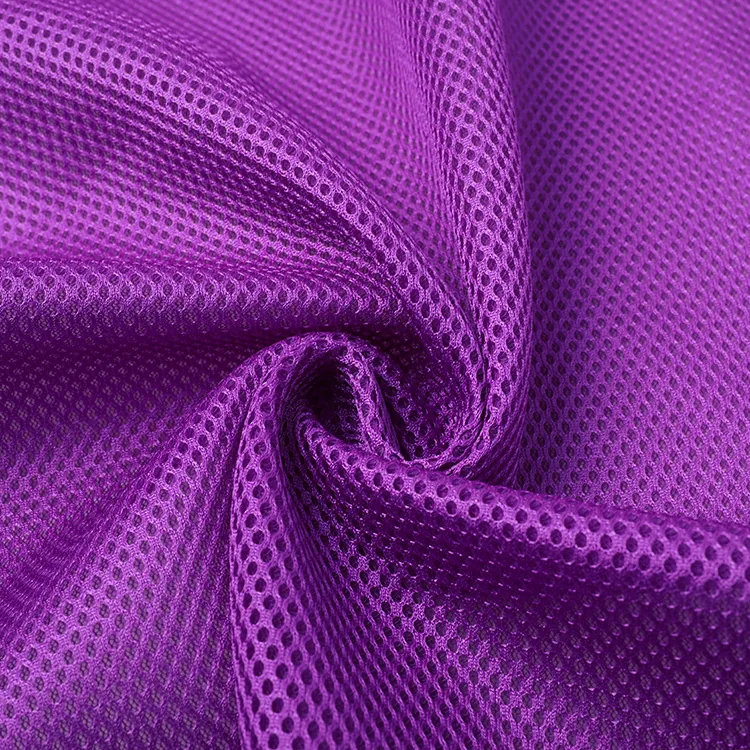
Mesh under the arms or across the back may help airflow. It can also introduce a second UPF result, a different snag profile, and more seams. The correct choice depends on what the crew actually does, not on whether the fabric looks technical in a product photo.
Treat reflective visibility as a separate specification
Reflective trim can help a wearer stand out in some low-light conditions. It can be placed on the torso, sleeves, shoulders, or back, but placement must be checked against logos, seams, movement, outer layers, and other equipment.
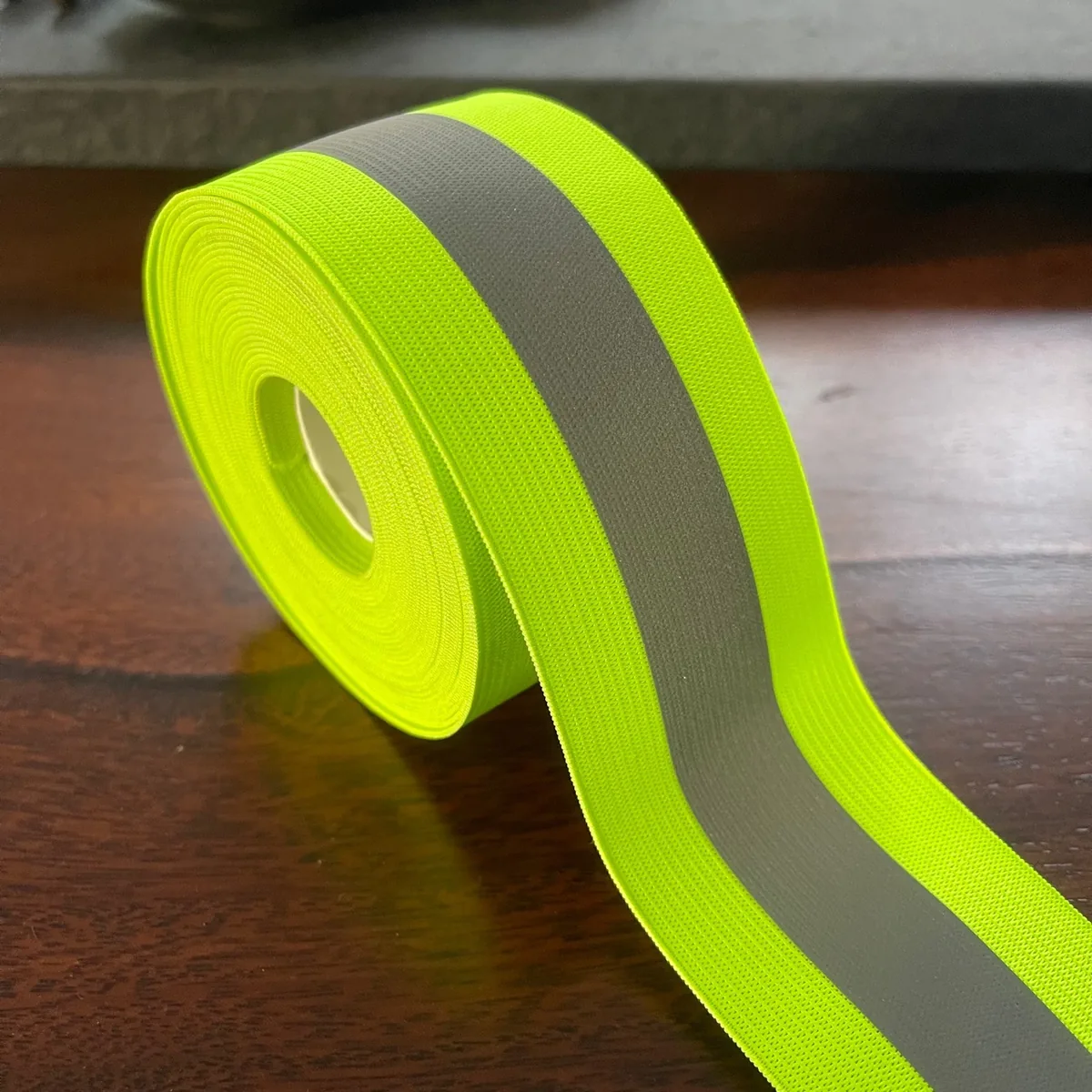
The key distinction is simple: reflective detailing does not by itself make a shirt ANSI/ISEA-compliant high-visibility safety apparel. Where a standard or performance class is required, the employer must name it in the brief and approve a compliant garment design, materials, labeling, and documentation. For example, the current Federal Highway Administration traffic-control guidance specifies performance-class high-visibility apparel for workers in certain temporary traffic-control zones.
If the goal is added crew visibility rather than certified high-visibility PPE, say that clearly too. It avoids an unsupported safety claim on the product, packaging, and company website.
Choose a branding method that fits the garment
The logo method affects hand feel, airflow, stretch, appearance, and wash durability. There is no universal best option.
Embroidery works well for compact company logos on stable chest, sleeve, or polo panels. Dense stitching can feel heavy on a lightweight knit, so size and backing need review.
Sublimation supports full-color graphics on compatible polyester fabrics. The artwork becomes part of the printed fabric, but color approval and panel alignment must be controlled.
Screen printing can be economical for repeated solid-color artwork. Large ink areas may change the hand feel and reduce local airflow.
Silicone heat transfer can create a clean dimensional mark. The adhesive, temperature, stretch, placement, and wash test should match the approved fabric.
Our custom UPF workwear page shows these options alongside sun hoodies, long-sleeve UV work shirts, work polos, production evidence, and a construction-crew case.
Custom or off-the-shelf?
Off-the-shelf work shirts are usually the practical route when the crew is small, delivery is immediate, or the requirements are standard. Custom production makes more sense when the employer needs a controlled combination of fit, coverage, tested fabric, color, logo placement, reflective detailing, size range, and repeat-order consistency.
For our custom UPF workwear program, the normal starting point is 100 pieces per style and colorway, with a sample lead time of about two weeks after the material, measurements, artwork, and trims are confirmed. A pre-production sample is still essential. It should be worn with the crew’s actual equipment before the bulk order is approved.
RFQ checklist for outdoor crew uniforms
Send these details to get a useful quotation instead of a generic price:
- Country and job type
- Crew size and size range
- Garment format: sun hoodie, long-sleeve shirt, or polo
- Climate, season, and daily wear conditions
- Required UPF claim and test expectations
- Other PPE and visibility requirements
- Logo files, method, size, and placement
- Target delivery date and reorder plan
Are UPF work shirts considered PPE?
That depends on the hazard, workplace policy, applicable rules, and how the garment is specified. Employers should complete the relevant hazard assessment and select required PPE accordingly. A supplier’s marketing description does not make a shirt compliant PPE.
Do dark work shirts provide more sun protection?
Color can affect UV transmission, but it is only one variable. Fabric construction, stretch, moisture, finish, and condition also matter. Use evidence for the approved material rather than judging by color alone.
Can mesh panels be used in a UPF work shirt?
Yes, but the mesh is a separate material and may not share the main fabric’s rating. Review its coverage, strength, airflow, and supporting evidence before approval.
Can reflective strips and UPF50+ be combined?
They can be designed into the same garment, but they address different needs. Confirm the UPF claim separately from any visibility or high-visibility apparel requirement.