Button-up fishing shirts work in hot weather when four decisions support each other: a light but stable woven fabric, ventilation that can release trapped heat, verified UV protection, and a fit that creates room for casting without leaving excess fabric in the way. A UPF label alone cannot compensate for poor airflow or an overly heavy shirt.
What Makes Button-Up Fishing Shirts Work in Hot Weather?
The best hot-weather button-up fishing shirts balance coverage with controlled airflow. The fabric should dry quickly without feeling like plastic, the back or underarm vents should stay open during movement, and the cut should leave enough ease across the shoulders. UPF performance should come from test data for the selected fabric, not from an assumption based on fiber content.
| Development decision | What the wearer notices | What the buyer should verify |
|---|---|---|
| Lightweight woven fabric | Less heat and less wet cling | Composition, GSM, opacity and recovery |
| Back or underarm ventilation | Warm air escapes during casting and movement | Vent position, mesh type and opening size |
| Long sleeves and collar coverage | More covered skin during long exposure | Sleeve length, collar height and UPF report |
| Functional fit | Easier reach across the shoulders | Finished measurements and movement sample |
| Pocket construction | Tools stay secure without a bulky chest | Pocket size, closure and reinforcement |
Start With the Fabric, Not the Feature List
Two shirts can both be described as “lightweight polyester” and feel completely different. Yarn size, weave density, surface texture, mechanical stretch and finishing all change how the fabric behaves against damp skin.
For a woven button-up fishing shirt, the first fabric comparison should cover:
- fiber composition and stretch content;
- finished GSM, not only the supplier’s greige-fabric figure;
- air permeability and drying behavior;
- opacity in the lightest intended color;
- snagging, pilling and seam slippage risk;
- UPF results for the fabric that will actually enter production.
Plain-weave polyester is a practical starting point when price and color consistency matter. Polyester ripstop adds a visible grid and can give the product a more technical character. Nylon can feel softer and resist abrasion well, but its dyeing route, colorfastness and UV claim still need to be checked on the selected construction.
Stretch is useful, but more stretch is not automatically better. A small elastane percentage can help shoulder movement and sleeve roll-up. Too much can make a woven shirt feel heavier, reduce dimensional stability or complicate heat-sensitive decoration. The correct choice depends on whether the shirt is meant for a fishing guide, a resort uniform, an outdoor retail line or a tournament crew.
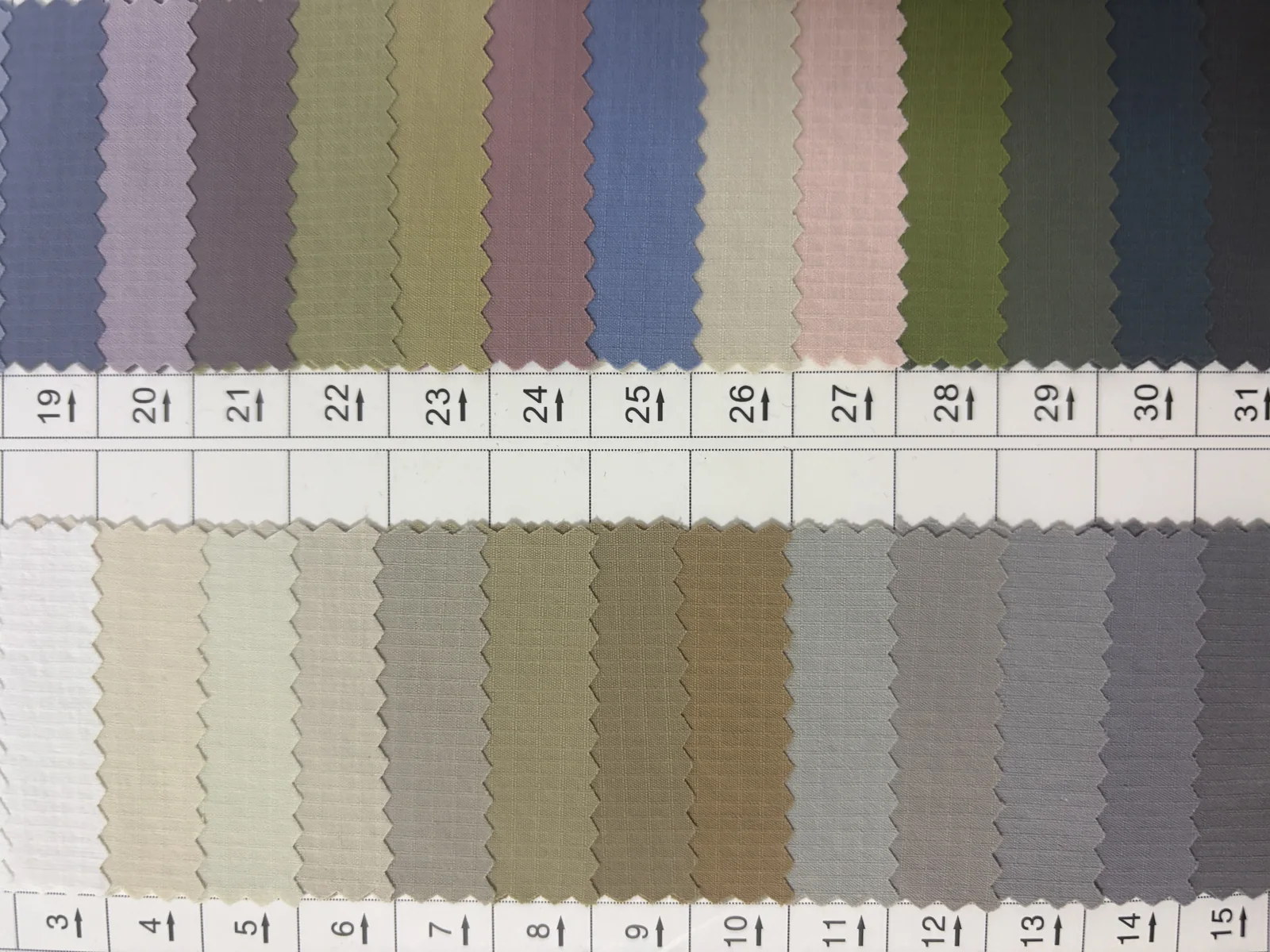
The lightest color deserves extra attention. White, pale gray and sand can transmit more visible light than navy or dark green in the same construction. That does not prove the UPF rating, but it tells the development team which color should be included in the formal test plan.
For a deeper fabric comparison, see Best Fabrics for Fishing Shirts. The important point here is narrower: the fabric for a vented fishing shirt has to work as part of a garment system. A breathable panel cannot fix a shell fabric that traps too much heat.
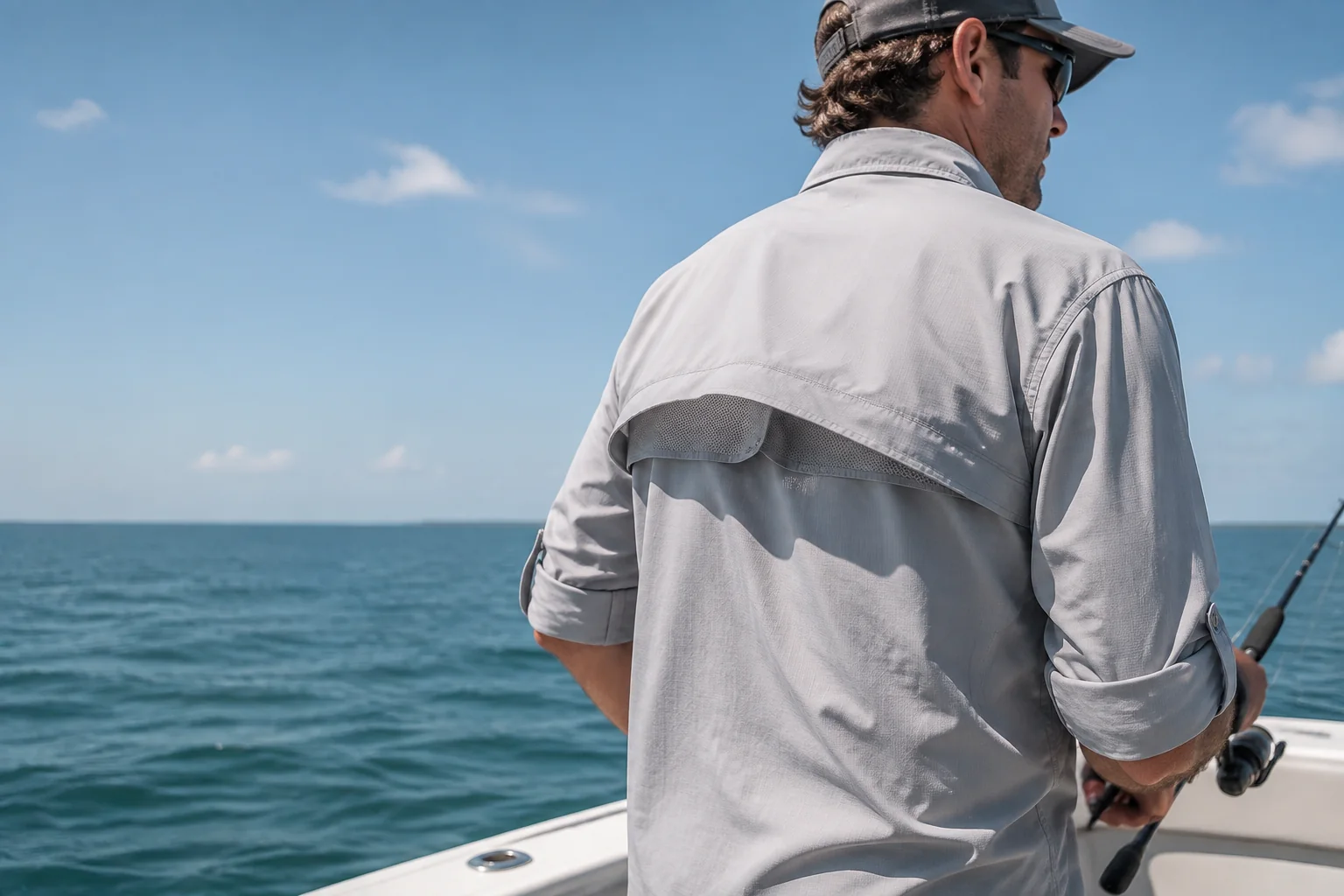
Back Vents Need an Air Path
A back vent is often drawn as a horizontal flap across the shoulder blades. The drawing looks convincing. The sample may still fail.
Air needs both an entry and an exit. A cape back can release warm air, but it works better when the shirt also has space at the hem, a loose enough upper body, or discreet underarm openings. If the outer cape is stitched down too tightly, the vent becomes decoration. If the mesh is heavy, stiff or scratchy, the wearer notices the lining before noticing any cooling benefit.
During sampling, check the vent in motion:
- Put the shirt on and reach forward as if holding a rod.
- Rotate both shoulders and raise the elbows.
- Confirm that the cape does not pull flat against the mesh.
- Check whether the mesh edge rubs the shoulder blades.
- Wash and dry the sample, then check whether the flap curls.
Underarm vents can help, particularly in humid coastal conditions, but their size and placement matter. Large exposed mesh panels may improve airflow while making the shirt look like technical uniform wear. A brand selling into resort shops may prefer a hidden mesh gusset. A guide-service shirt can accept a more visible solution if cooling is the priority.
UPF 50 Is a Test Result, Not a Fabric Description
UPF measures how much ultraviolet radiation a textile allows through. Fiber type contributes to the result, but so do weave density, color, stretch, moisture and finishing. “100% polyester” is therefore not proof of UPF 50.
For products sold with a UV-protection claim in the United States, buyers commonly ask for results based on AATCC TM183, which measures UV transmitted through fabric. ASTM D6603 covers labeling of UV-protective textiles and refers to prepared-for-testing specimens rather than relying only on an untouched fabric swatch.
When reviewing a report, compare more than the number on the first page:
- Does the report identify the same composition, color or fabric code as the order?
- Was the specimen tested dry, wet, stretched or after preparation?
- Is the report from a traceable laboratory, and is the issue date visible?
- Does the intended claim apply to every colorway or only to the tested color?
If the brand plans to print, coat or materially change the fabric, ask whether the final treatment could affect the result. Our article on UPF 50 vs UPF 30 fishing shirts explains the rating difference in more detail.
Fit Controls Airflow and Casting Comfort
Hot-weather comfort is not created by fabric alone. A shirt that fits tightly across the back closes the air space beneath the cape vent. A shirt with excessive body width catches wind, bunches under a life jacket and looks untidy off the boat.
The sample should be checked in fishing positions, not only while the wearer stands straight. Watch the center-back length when both arms reach forward. Check whether the armhole pulls, whether the cuff still covers the wrist, and whether the front placket twists. For long sleeves, a roll-up tab should hold the sleeve without creating a hard lump against the arm.
A practical fit brief should state the intended silhouette and the garment measurements that control it: chest, bottom opening, across shoulder, back length, sleeve length and upper-arm width. “Athletic fit” is too vague for a patternmaker. A reference garment plus a measurement table is much more useful.
Pockets Should Earn Their Weight
The chest area is where feature lists get out of control. Buyers request two pockets, a hidden zipper, pen slot, sunglasses loop, rod-holder tab and microfiber cleaner. Each detail adds fabric layers, sewing operations and a potential heat point.
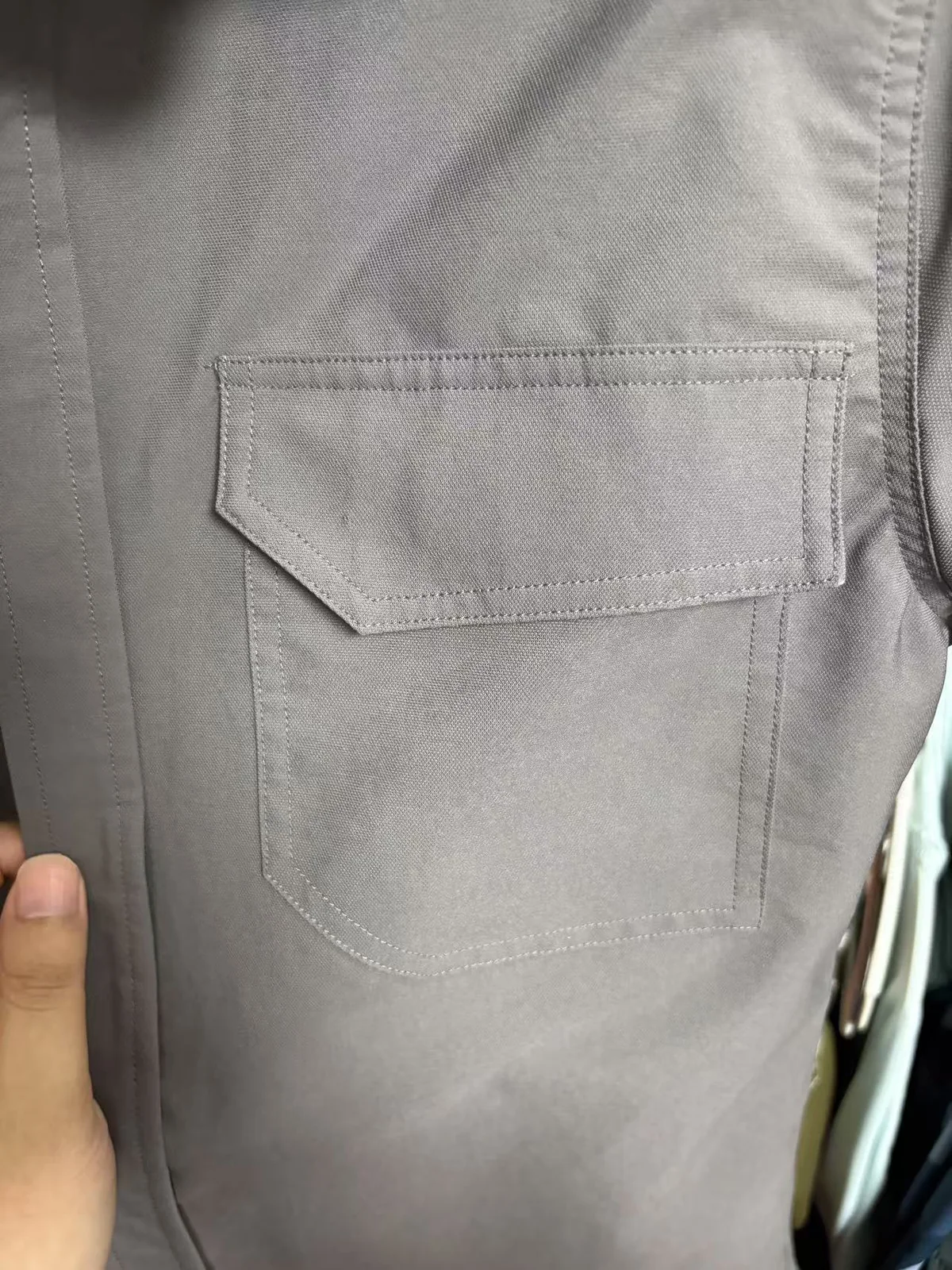
For a premium button-up fishing shirt, one secure pocket can be better than two bulky ones. If two pockets support the product story, keep their internal layers light. Reinforce the top corners, control the flap shape and specify whether the closure is a button, snap, hook-and-loop patch or hidden zipper.
The pocket also affects branding. Embroidery through a completed pocket can close off usable space and leave backing against the contents. Embroidering the panel before pocket assembly gives a cleaner result, but the logo position has to be locked earlier.
Choose Colors After the Fabric Direction Is Stable
Color selection often begins too early. A buyer sees thirty swatches and starts building a range before confirming which fabric family meets the hand-feel, stretch and UPF requirements.
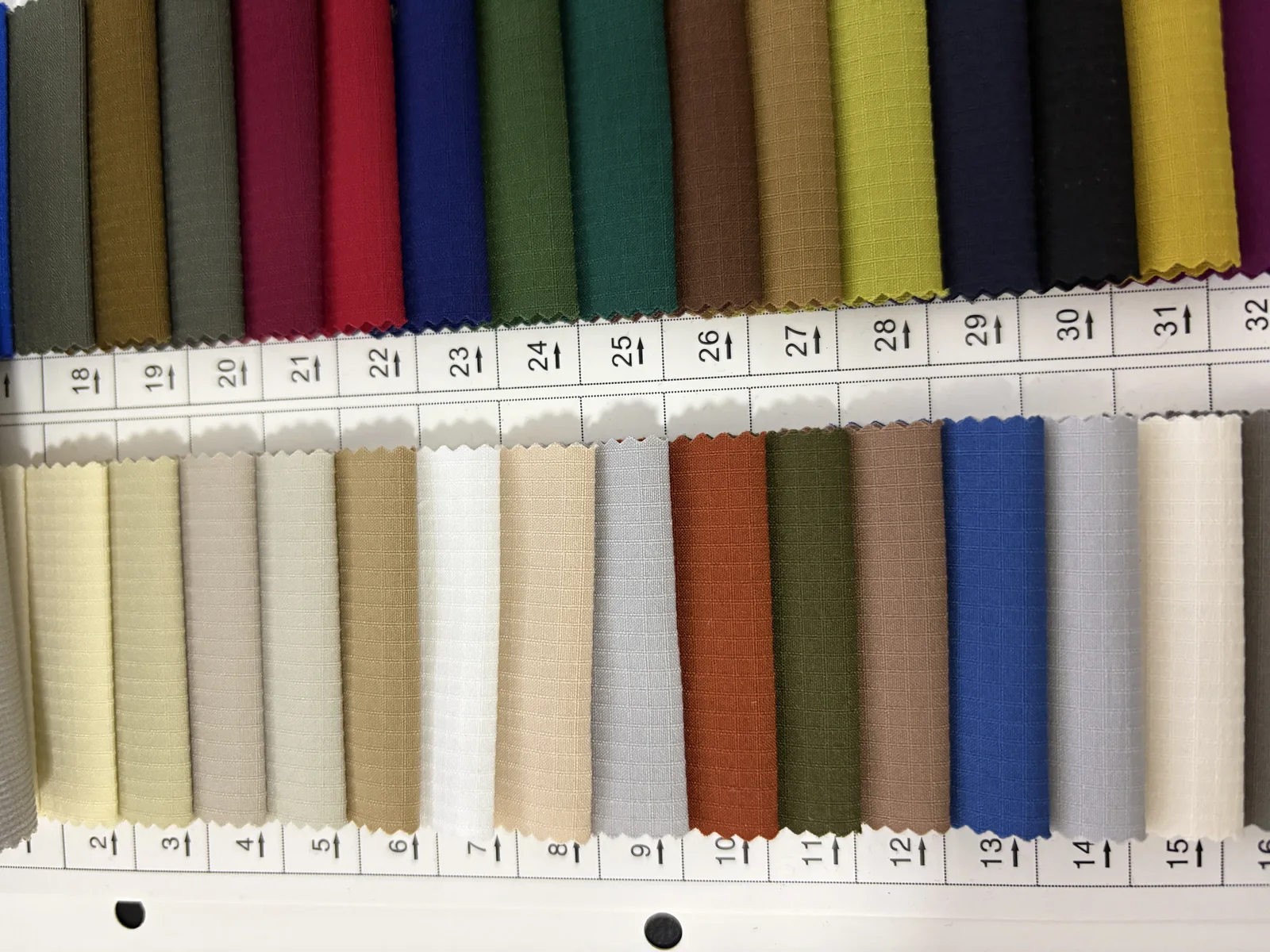
Start with one light neutral and one darker benchmark. Compare them under daylight, warm indoor light and shade. If a custom Pantone color is required, approve a lab dip on the selected fabric rather than matching against a screen. The same dye formula will not look identical on polyester, nylon and blended fabrics.
Questions Buyers Ask About Button-Up Fishing Shirts
Are button-up fishing shirts cooler than fishing hoodies?
They can be when the woven fabric is light, the fit leaves an air gap and the shirt has working vents. A hoodie may give more head and neck coverage, while a button-up lets the wearer open the collar and front placket. Compare the intended climate and coverage before choosing the silhouette.
Is a back vent necessary?
No. A light, air-permeable fabric and relaxed fit can work without one. A mesh-lined cape is useful when the outer fabric needs more structure or when “vented fishing shirt” is part of the product promise. Test the vent rather than adding it automatically.
Should a hot-weather fishing shirt use short or long sleeves?
Long sleeves provide more coverage and can include roll-up tabs. Short sleeves reduce material around the arms but leave more skin exposed. Many programs develop both from one base block after the long-sleeve fit is approved.
What should be approved before bulk production?
Approve the fabric code, color, finished measurements, vent construction, pocket measurements, trims, logo placement, labels and packing method in writing. The fishing apparel tech pack checklist shows how to record those decisions.
Turn the Feature List Into a Sample
A useful development brief names the target climate, wearer, fabric expectation, UPF claim, sleeve option, vent type, pocket use and quantity range. It also states which details are essential and which can change after costing.
Explore our custom button-up fishing shirts capabilities, or send your reference garment and specifications for a sample recommendation.
Last updated: September 7, 2026 | Victor, Founder of EZ Fishing Wear | Dongguan, China
Fabric and construction recommendations depend on the final garment, color, care method and target market. Confirm performance claims with testing appropriate to the finished product.