
Kids fishing shirts look simple until a child spends four hours casting, leaning over a rail, handling bait, and getting sprayed with salt water. Then small product decisions become obvious. A sleeve that rides up leaves skin exposed. A rough neck seam starts rubbing. A dark, heavy fabric feels hot. A loose cuff catches on gear.
For parents, clubs, camps, and fishing brands, the useful question is not whether a shirt has a fish graphic on it. It is whether the garment provides credible sun protection, fits through active movement, and survives repeated washing without turning stiff, faded, or misshapen.
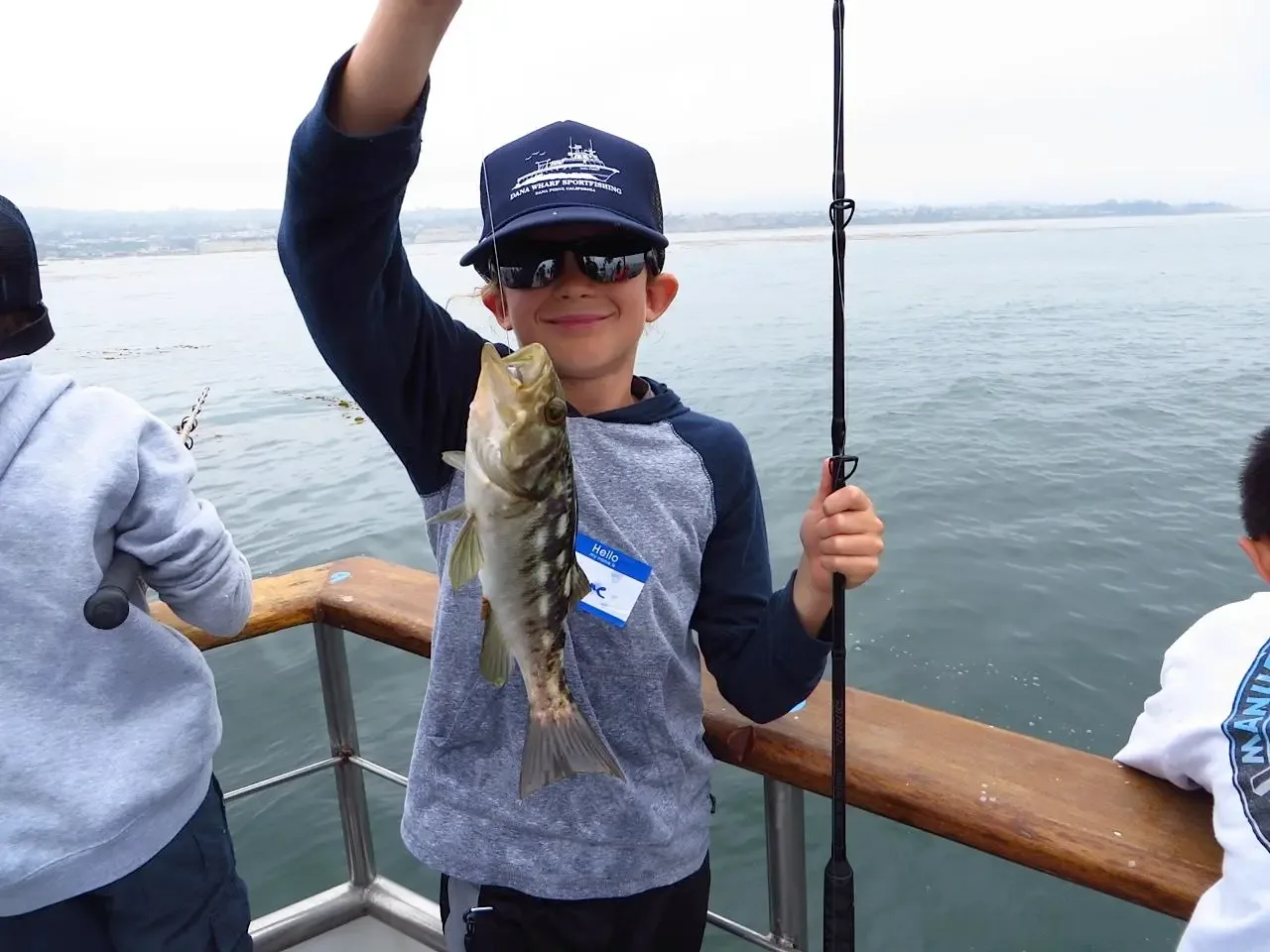
The short answer: choose a kids fishing shirt with a tested UPF claim, enough coverage for the intended activity, garment measurements rather than age labels alone, soft seams, secure trims, and a fabric-and-print combination that has been checked after washing. Protection on paper is not enough if the shirt is uncomfortable or quickly wears out.
For kids fishing shirts, UPF starts with evidence and coverage
UPF describes how much ultraviolet radiation passes through a textile. It applies to fabric and clothing; SPF is normally used for sunscreen. That distinction matters because a supplier should be able to connect a garment claim to a fabric test rather than treating “sun shirt,” “UV shirt,” and “UPF 50+” as interchangeable marketing phrases.
One recognized laboratory method is AATCC TM183, which measures the transmission or blocking of erythemally weighted ultraviolet radiation through fabric. When reviewing a report for a production order, check more than the rating printed in the summary box:
- Does the report identify the same fabric construction, color, and weight planned for the garment?
- Was the material tested dry, wet, stretched, or after laundering?
- Is the result for unfinished fabric, printed fabric, or the final approved material?
- Does the report state the test method, laboratory, date, and specimen description?
- Will color changes or a different mesh panel require another review?
Water, stretch, wear, and fabric color can affect UV transmission. That is why a report for one fabric should not automatically be applied to every colorway or a materially different construction. Our comparison of UPF 30 and UPF 50+ fishing shirts explains how the ratings differ and what a buyer should confirm before making a claim.
Coverage is the other half of the decision. The CDC’s sun-safety guidance recommends protective clothing alongside shade, hats, sunglasses, and sunscreen. It also notes that UV rays can reflect from surfaces including water and sand. On a fishing trip, that makes sleeve length, neckline, hood shape, and cuff coverage practical product features, not styling extras.
A long-sleeve crew-neck shirt may be enough for short trips with a broad-brim hat. A sun hoodie can add neck and side-of-face coverage, but the hood still has to stay in place without restricting vision. Thumb holes can help cover the back of the hands, provided the opening is smooth and correctly positioned. For a closer look at fabric, color, moisture, and construction choices, see our article on the best fishing shirts for sun protection.
Fit cannot be reduced to an age label
“Size 8” is not a complete specification. Children of the same age can have very different heights, shoulder widths, and body proportions. Regional sizing expectations also vary. A useful size chart starts with garment measurements and explains how they are taken.
At minimum, review chest width, body length, shoulder width, sleeve length, cuff opening, neck opening, and hood dimensions if the style has a hood. If the shirt is designed for a youth tournament, camp, or charter program, allow room for casting and for a light base layer without making the body so wide that it catches on equipment.
| Fit check | What to look for in a sample |
|---|---|
| Shoulder and arm movement | The shirt should not pull across the back when both arms reach forward. |
| Sleeve length | Cuffs should cover the wrist without sliding over the hands during casting. |
| Body length | The hem should remain covered when the child bends or reaches. |
| Neck opening | It should sit comfortably without leaving a wide exposed gap. |
| Hood fit | The hood should turn with the head and work with a cap without blocking side vision. |
| Life-jacket compatibility | Seams, pockets, and bulky trims should not create pressure points under a PFD. |
Fit approval should use more than a flat table. Put the sample on children within the intended size range, observe reaching and casting motions, and record where the garment shifts. If the program spans several age groups, grade the pattern deliberately rather than scaling every point at one fixed percentage. Our fishing apparel size chart shows the measurements buyers should define before sampling.
Avoid chasing an oversized look unless it is part of the brief. Too much extra fabric can hold water, snag, and interfere with a life jacket. A very close fit has the opposite problem: it can stretch the fabric more than expected and may change both comfort and UV performance.
Comfort and durability have to be tested together
Lightweight polyester is common in fishing apparel because it can dry quickly and accept sublimation printing, but fiber content alone does not predict comfort. Knit structure, yarn, fabric weight, finishing, mesh placement, and garment construction all affect how the shirt feels outdoors.
For warm-weather use, buyers often compare moisture management, airflow, drying time, surface feel, and cling when wet. A cool hand feel in a sample room does not prove that the garment will remain comfortable in humid conditions. The fabric needs to be considered as part of the finished shirt, especially where prints, embroidery backing, labels, and seam layers add weight.
Durability checks should focus on the areas children stress most:
- Neckbands and hood openings that are repeatedly pulled when dressing
- Underarm and shoulder seams used during casting
- Cuffs and thumb holes exposed to rubbing and stretching
- Hems that contact seats, rails, and tackle bags
- Printed surfaces exposed to sunscreen, salt, sweat, and frequent washing
- Snagging and pilling on the outer surface
Ask for a wash trial on the final decoration route. Sublimation can keep an all-over design light because the color is transferred into suitable polyester fabric, but panel alignment and approved color profiles still matter. Screen print and heat transfer work well for selected logos when ink, adhesive, temperature, and pressure match the fabric. Embroidery can give a small club logo more texture, though dense stitching or a rough backing may be uncomfortable on a lightweight kids shirt.
The right option depends on the design and use case, not on which decoration method sounds more premium. Our fishing shirt fabric comparison covers the performance tradeoffs that should be decided before artwork and sampling are locked.
Small details matter more on children’s garments
A technically strong fabric can still produce a poor kids garment if trims and construction are treated as an afterthought. Use soft care labels or printed labels where appropriate. Cover rough embroidery backing. Add a zipper guard if the shirt has a zip neck. Secure toggles, cord ends, and decorative pieces so they cannot detach during normal use.
Be especially careful with drawstrings. The U.S. Consumer Product Safety Commission provides specific guidance on drawstrings in children’s upper outerwear, including hood and neck drawstrings for certain children’s sizes. A lightweight fishing hoodie may not always fall into the same product category as upper outerwear, but the hazard is still a good reason to avoid unnecessary loose cords and to review the rules for the destination market.
Other checks are easy to overlook:
- Keep internal seam ends trimmed and covered.
- Avoid hard logo patches where a life jacket presses against the body.
- Make sure thumb-hole stitching does not create a tight edge around the hand.
- Check that snaps and zip pulls are easy to operate but remain secure.
- Confirm care instructions for the fabric, print, reflective trim, and any mixed materials.
Compliance requirements depend on the country, garment category, age range, and materials used. A product-development brief should identify the sales market early so testing, labeling, and trim choices are not left until after production.
What clubs, camps, and brands should put in the brief
A clear brief shortens the sampling process and makes supplier comparisons more useful. For kids fishing shirts, include:
- Target age range and complete size run
- Destination market and planned sales channel
- T-shirt, quarter-zip, hoodie, or polo construction
- Intended UPF claim and required test conditions
- Fabric weight, stretch, color, and preferred hand feel
- Sleeve, hood, cuff, and thumb-hole requirements
- Logo locations and decoration method
- Quantity by size and color
- Wash expectations and target product life
- Labels, packaging, and safety requirements
If you are building a youth collection rather than buying blanks, start with the intended activity. A tournament team may need large sponsor graphics and consistent colors. A fishing camp may care more about easy size sorting, name identification, and repeated commercial washing. A retail brand may need a softer hand feel, packaging, hangtags, and several coordinated colors.
Our custom fishing shirts and custom fishing hoodies pages show the product routes that can be adapted around a youth size plan. The first sample should test the actual questions in the brief instead of merely proving that a shirt can be sewn.
Questions buyers often ask
Is UPF 50+ necessary for every kids fishing shirt?
Not automatically. UPF 50+ is a strong rating, but the claim should be supported by relevant testing and paired with suitable coverage. A well-tested garment also needs to fit correctly and remain comfortable enough that a child keeps wearing it. The intended market may also have labeling rules that affect how the claim is presented.
Are long sleeves always better than short sleeves?
Long sleeves cover more skin, which is useful during extended sun exposure. Short sleeves may be preferred for certain uniforms or hot conditions, but exposed skin then needs other protection. Fabric breathability, fit, activity level, shade, sunscreen, and the use of a hat all affect the final decision.
Is polyester the best fabric for kids fishing shirts?
Polyester is widely used because it can dry quickly and works with several printing methods. It is not automatically the best choice. Compare knit structure, weight, stretch, surface feel, snag resistance, moisture performance, and the planned decoration. A softer or lighter fabric may still fail if it pills quickly or becomes transparent when stretched.
How should a kids fishing shirt fit?
It should allow full shoulder and arm movement without excessive loose fabric. The sleeve and body should maintain coverage during reaching and bending. Check the sample with a cap and personal flotation device when those items are part of the activity. Use garment measurements rather than relying only on an age label.
What should be approved before bulk production?
Approve the fabric and color, measurements, size grading, construction, trims, print or embroidery, labels, packaging, and any performance claim. Review a washed sample when durability matters. If UPF is part of the product promise, confirm that the test evidence applies to the approved material and conditions.
Kids fishing apparel has to earn trust through the details. If you are developing a youth line for retail, a club, a charter program, or a fishing camp, send us your product brief. Include the age range, target sizes, artwork, quantity, market, and performance claims so the first discussion can focus on the real production decisions.